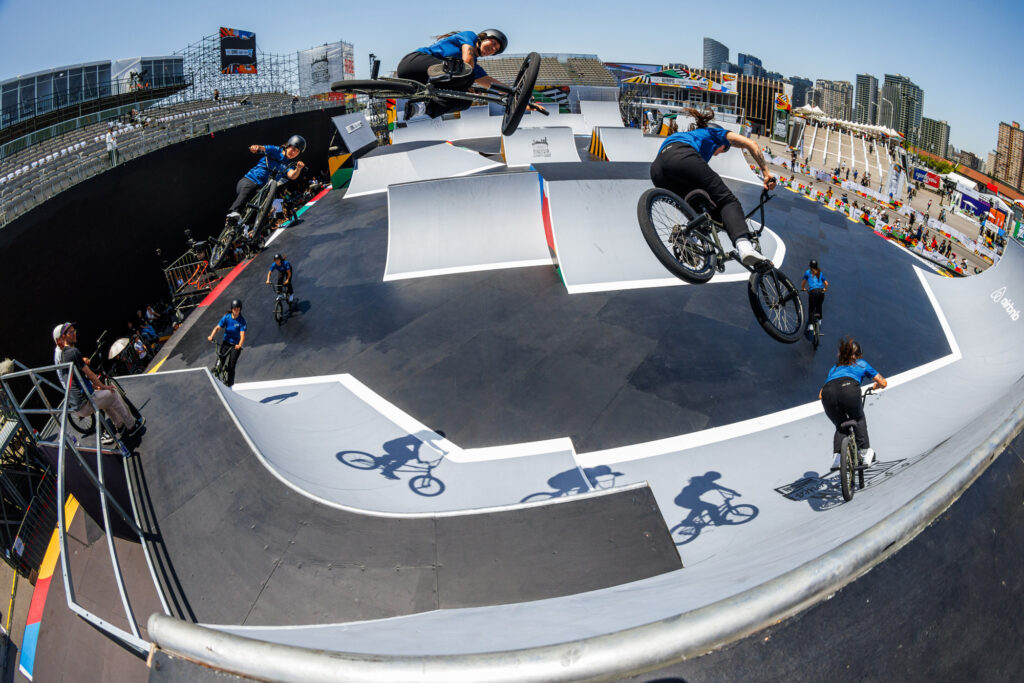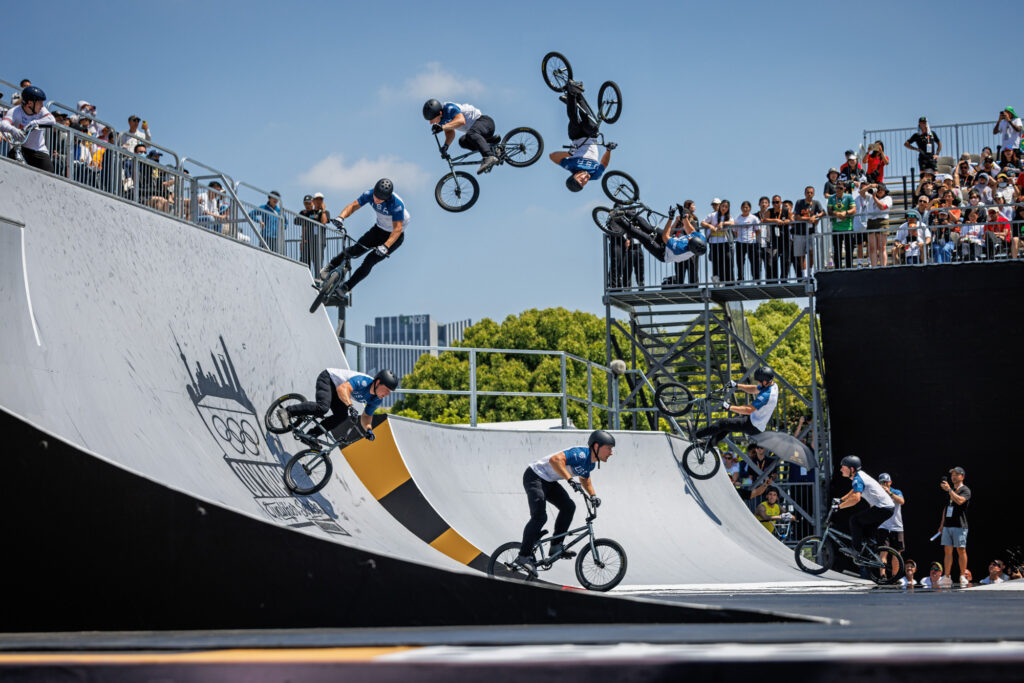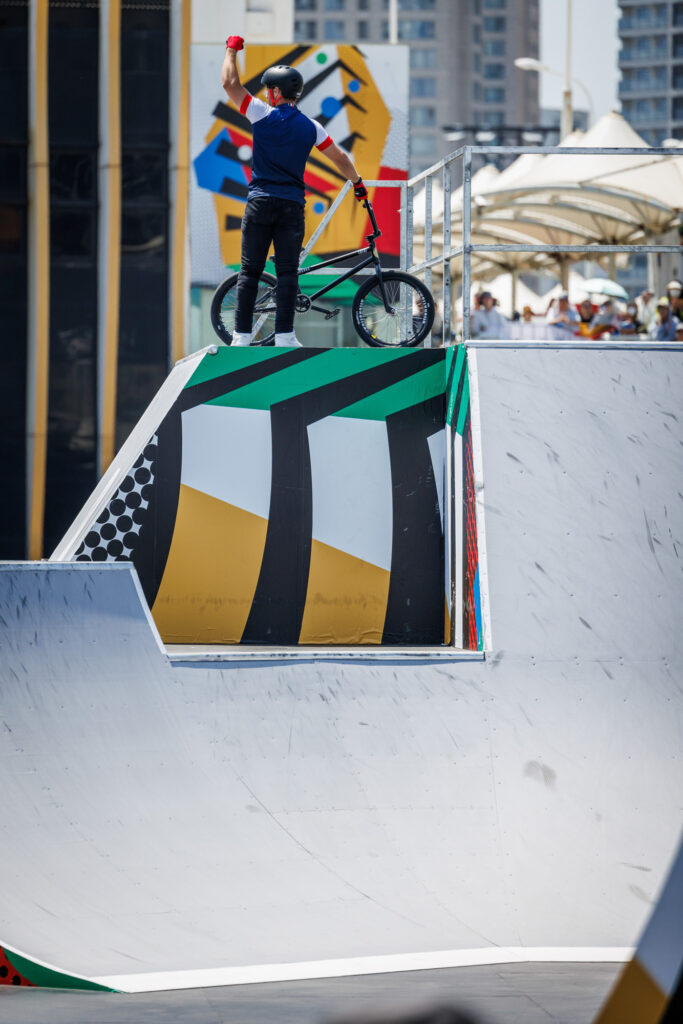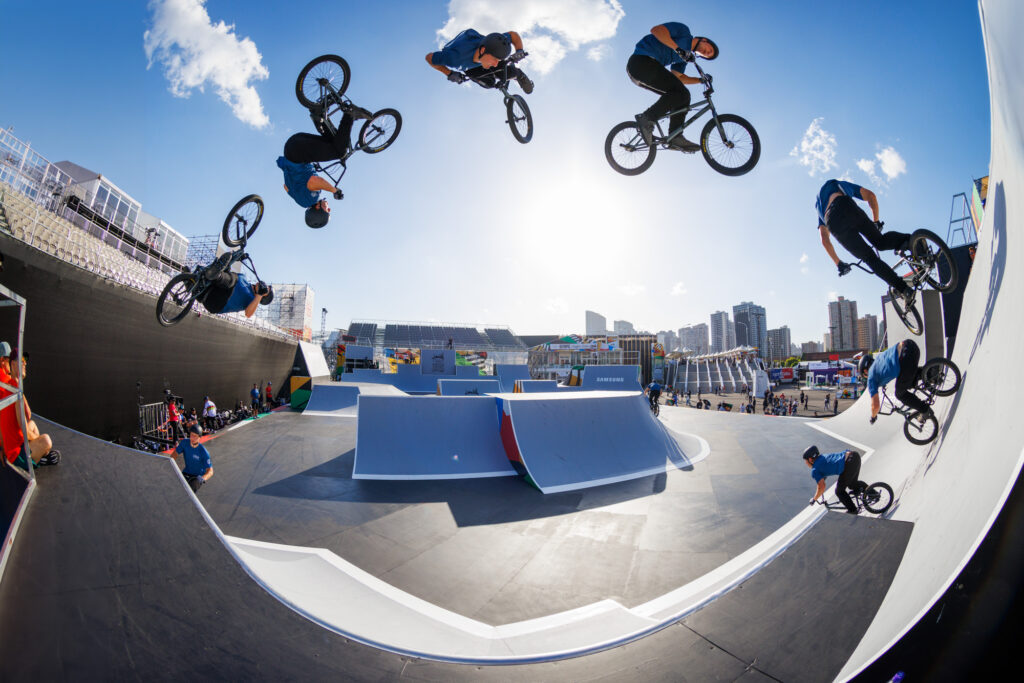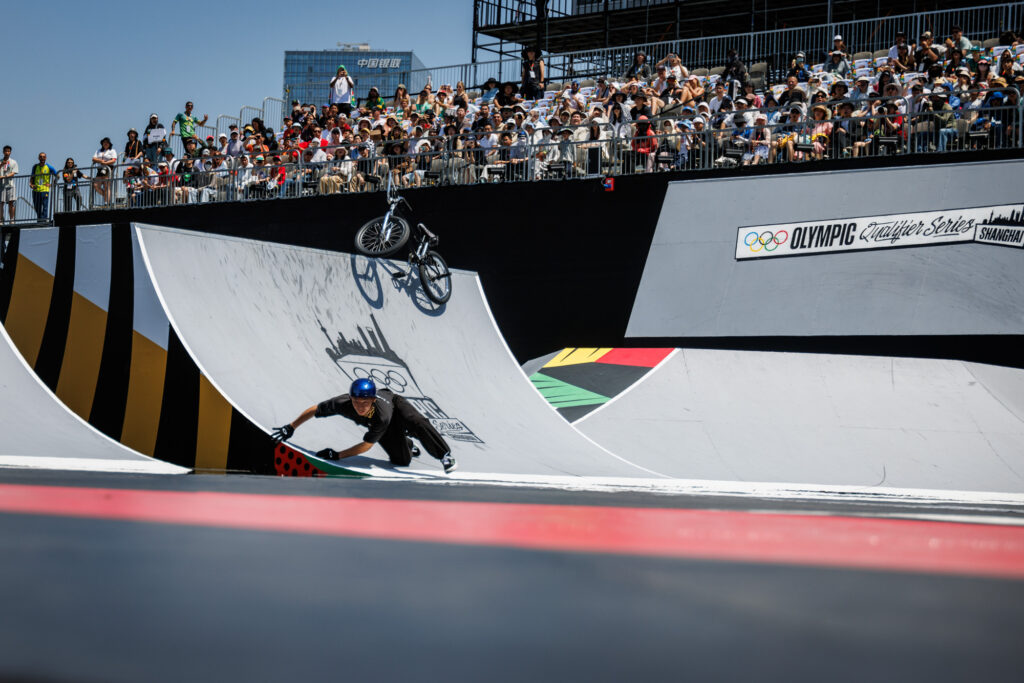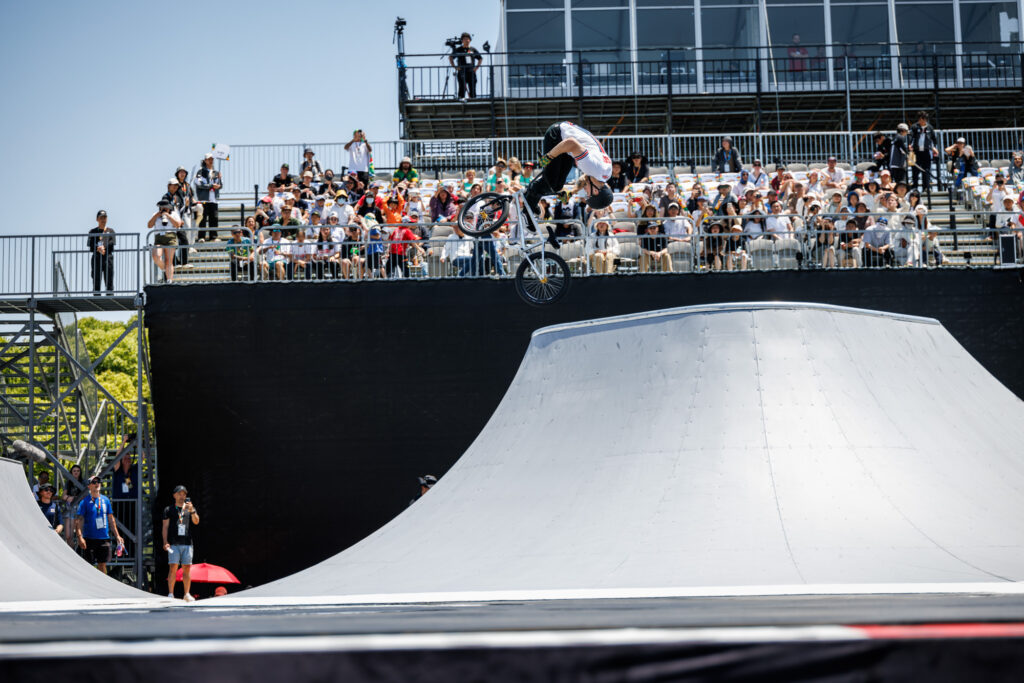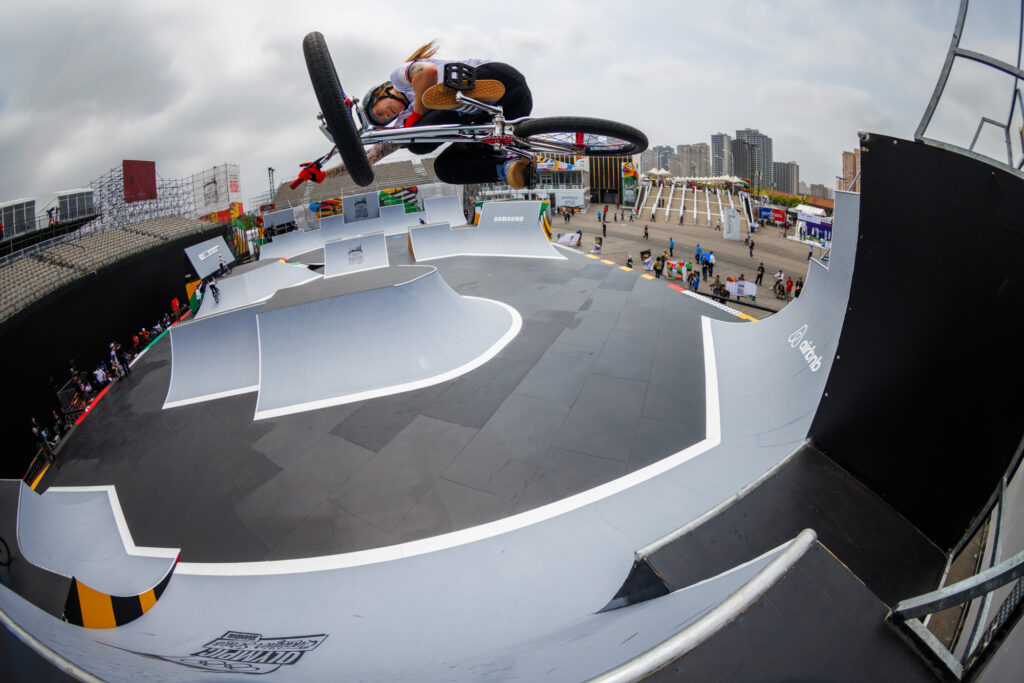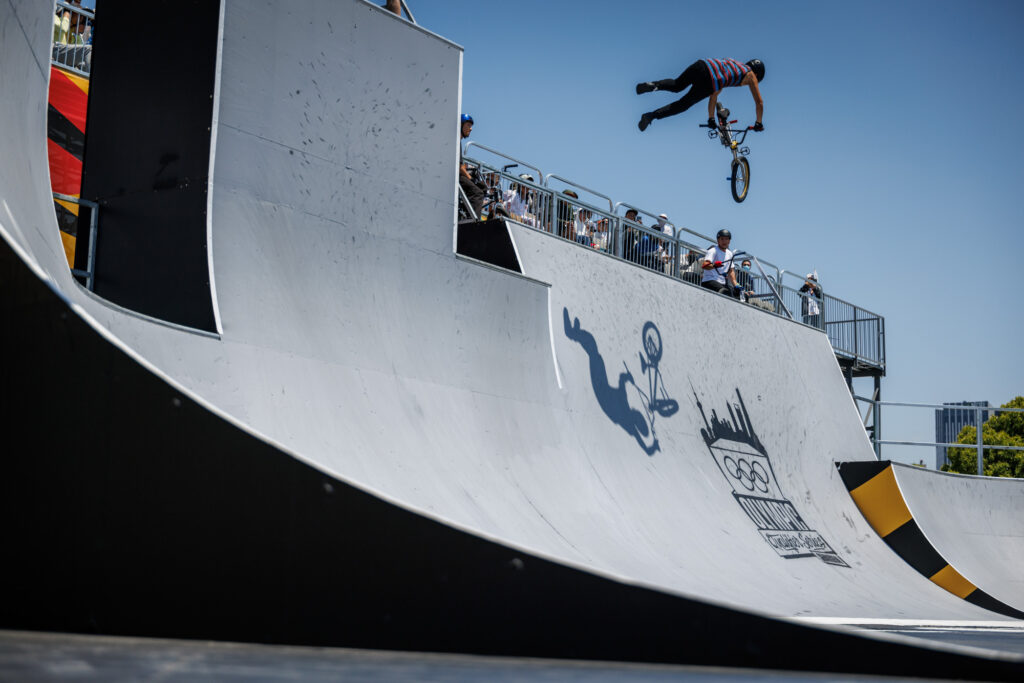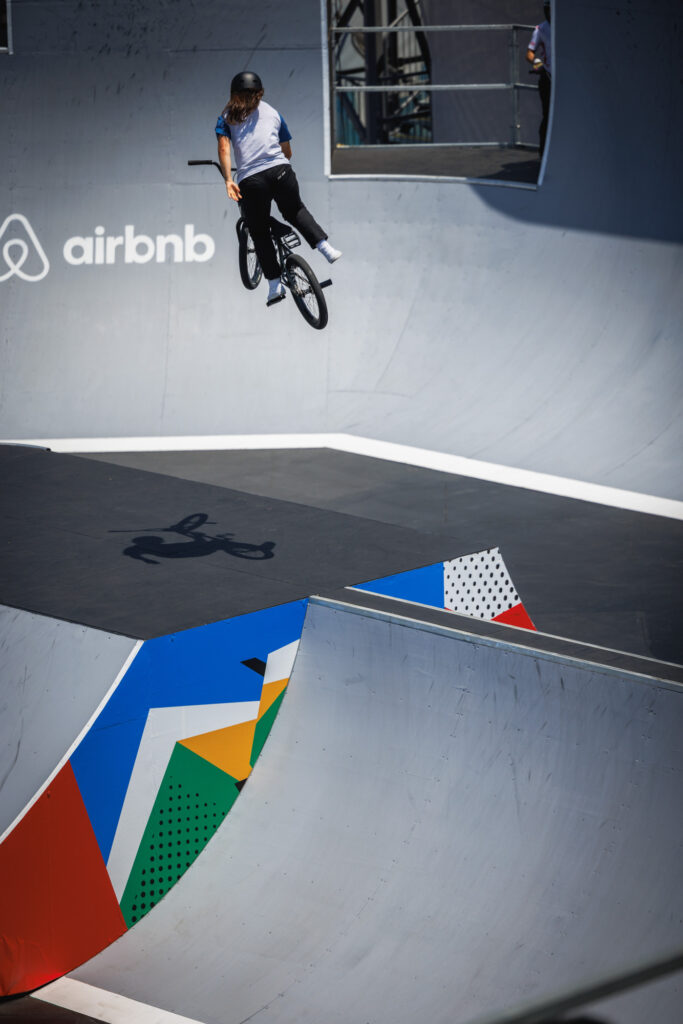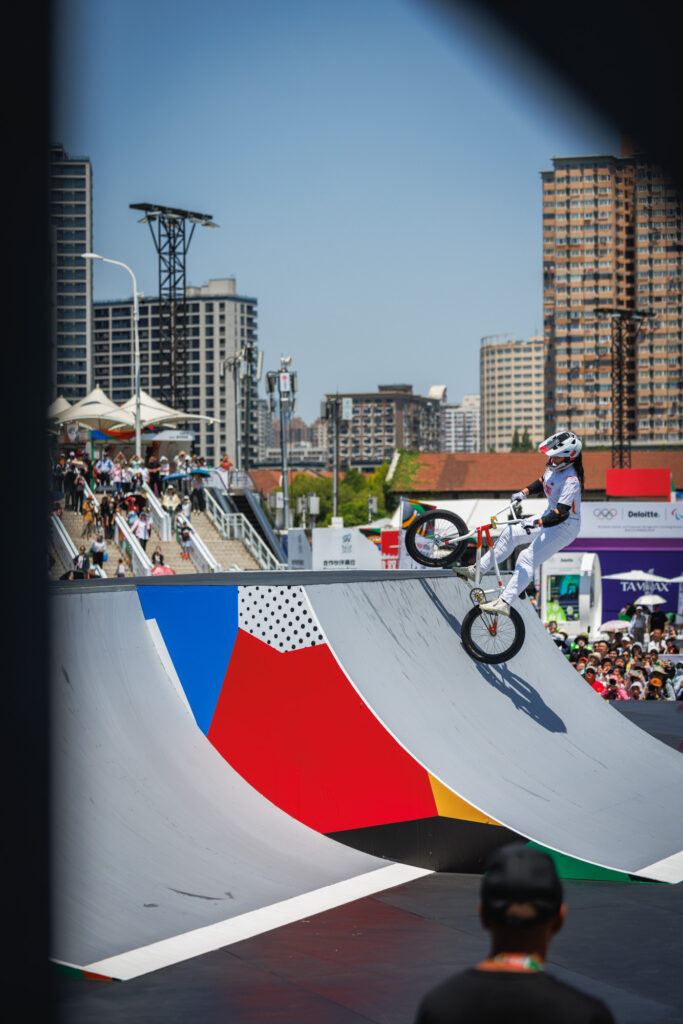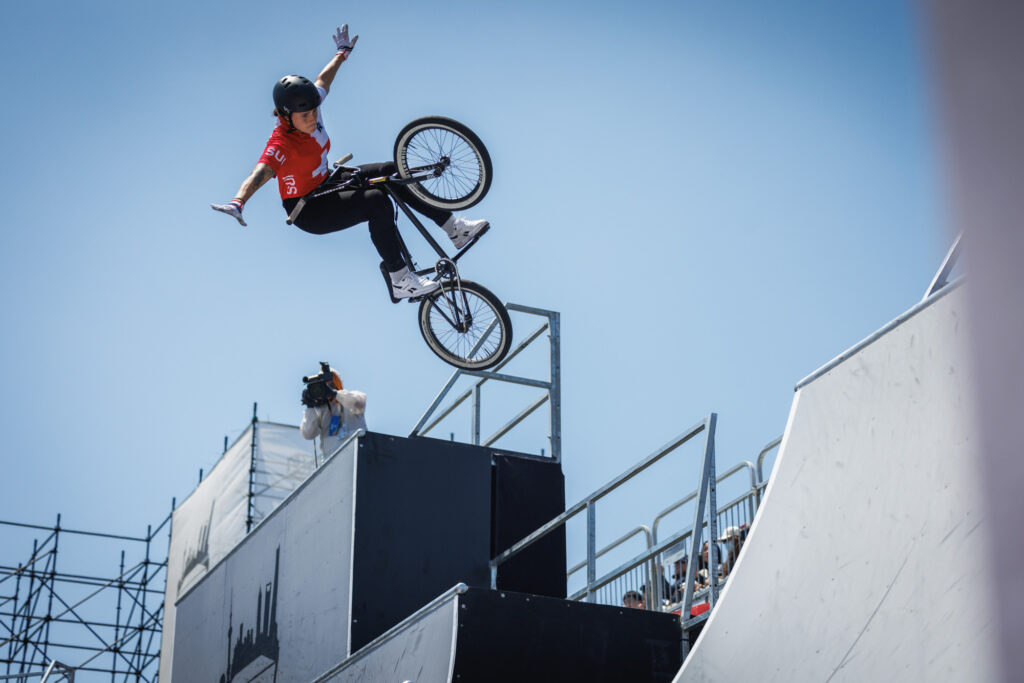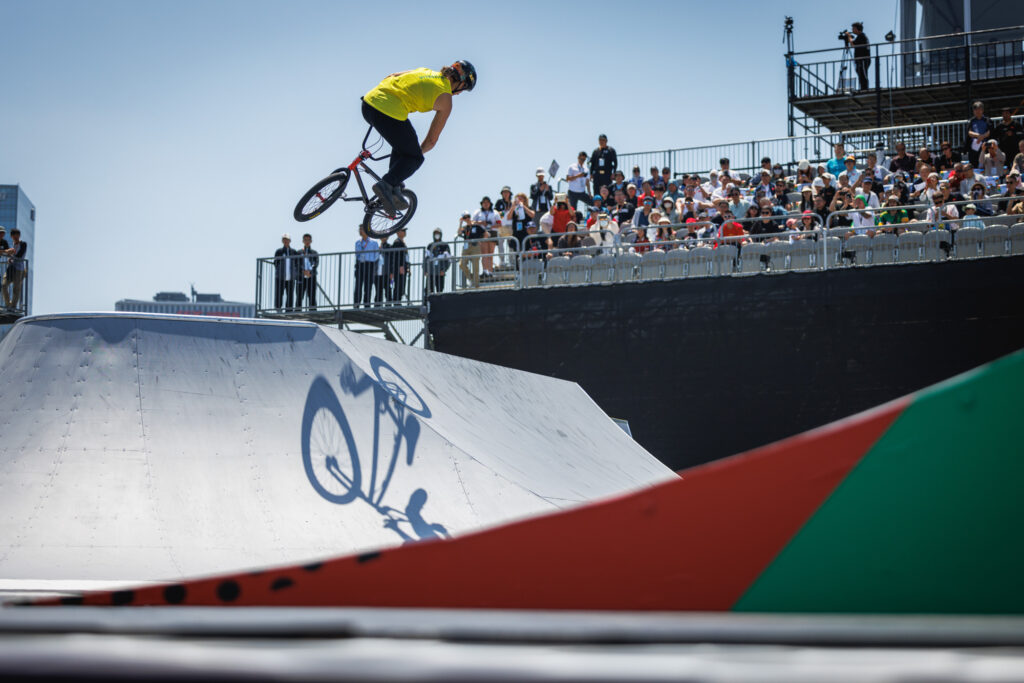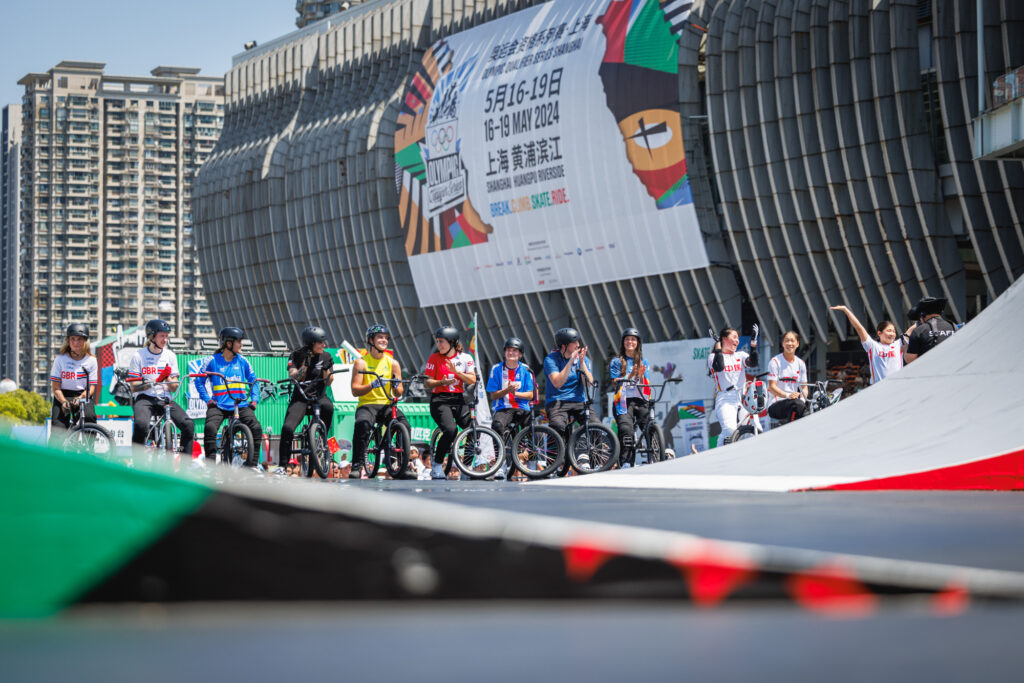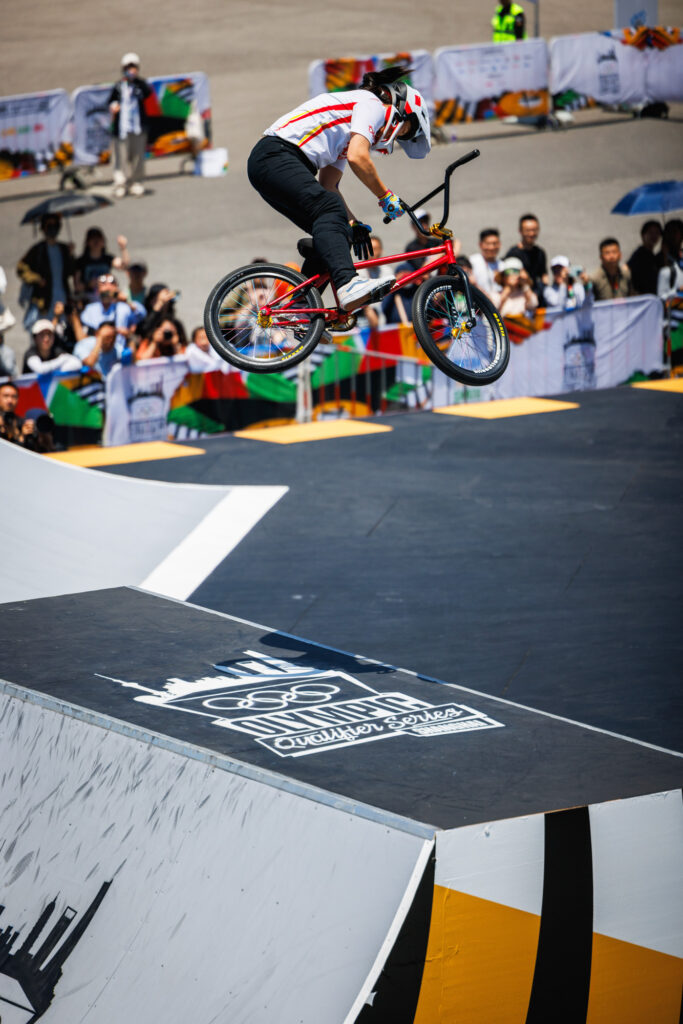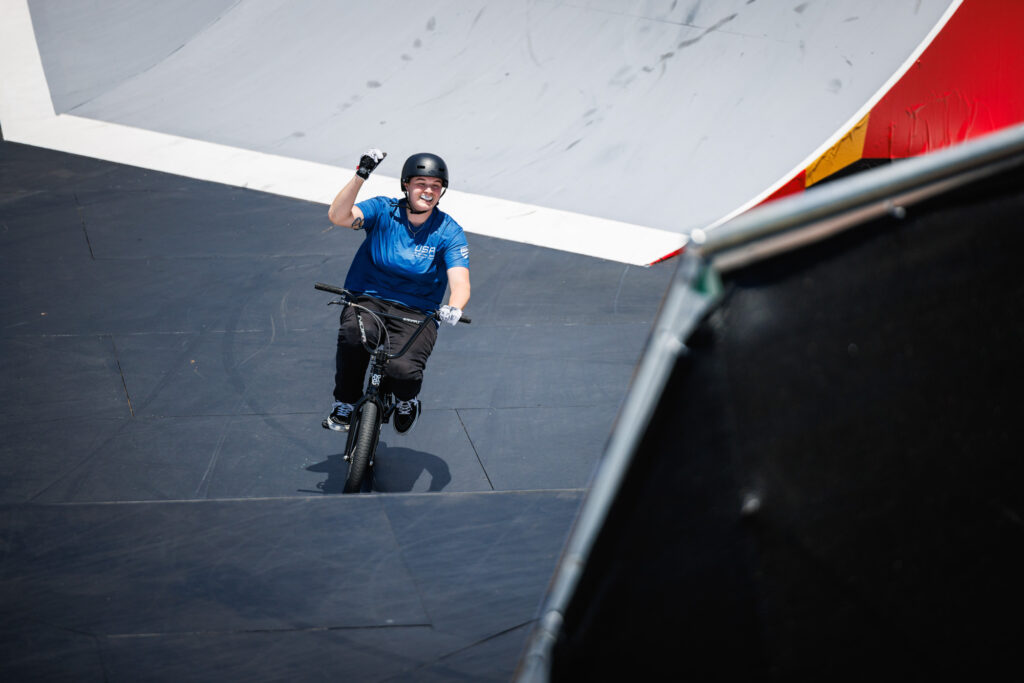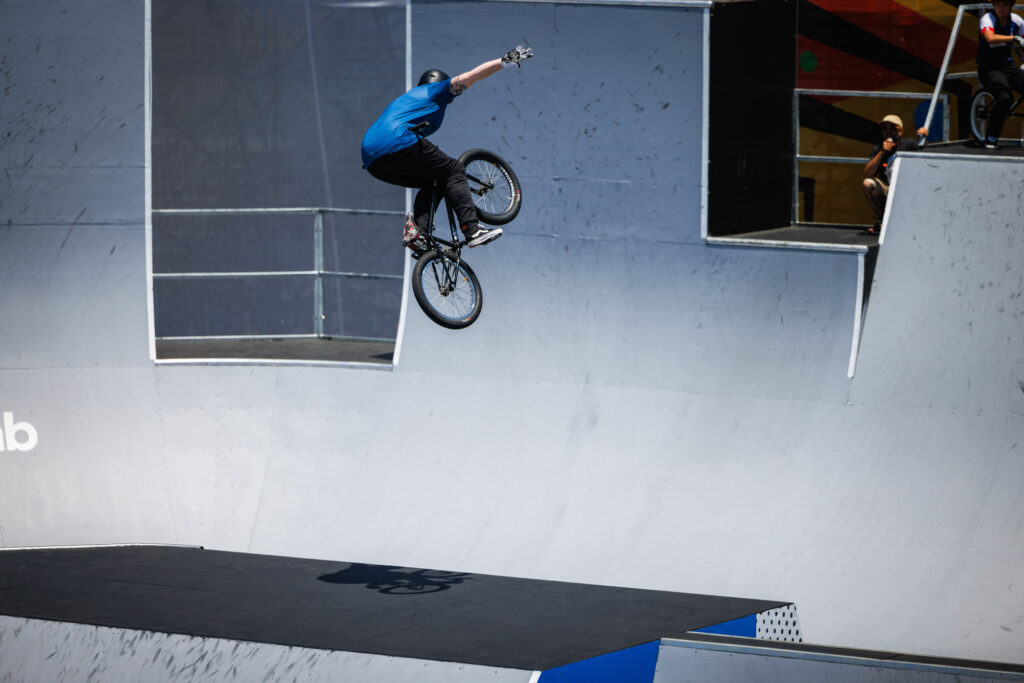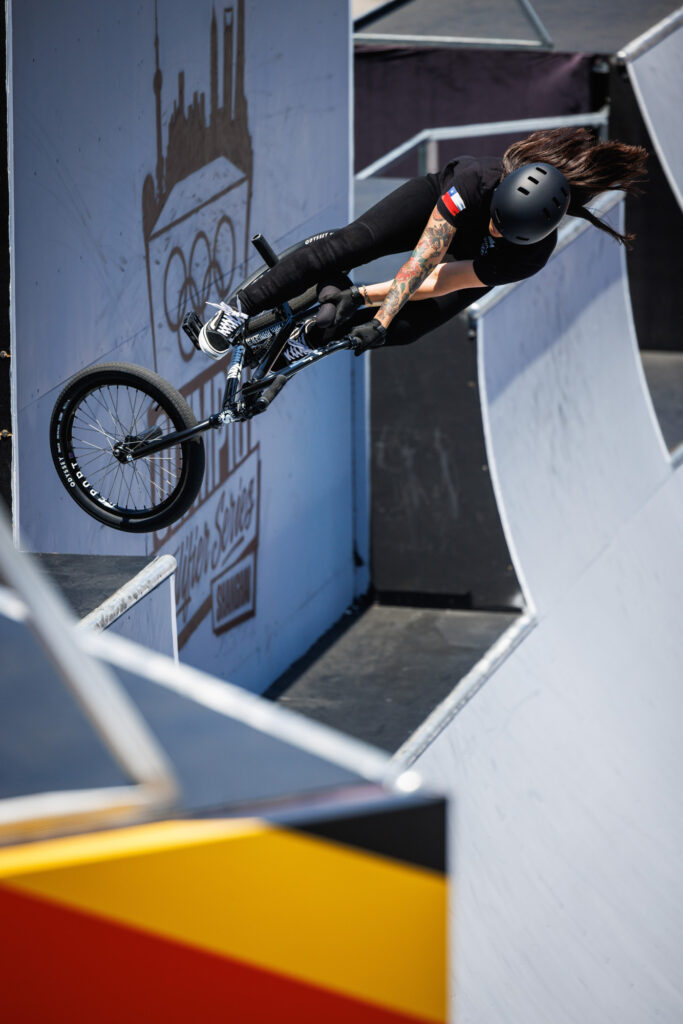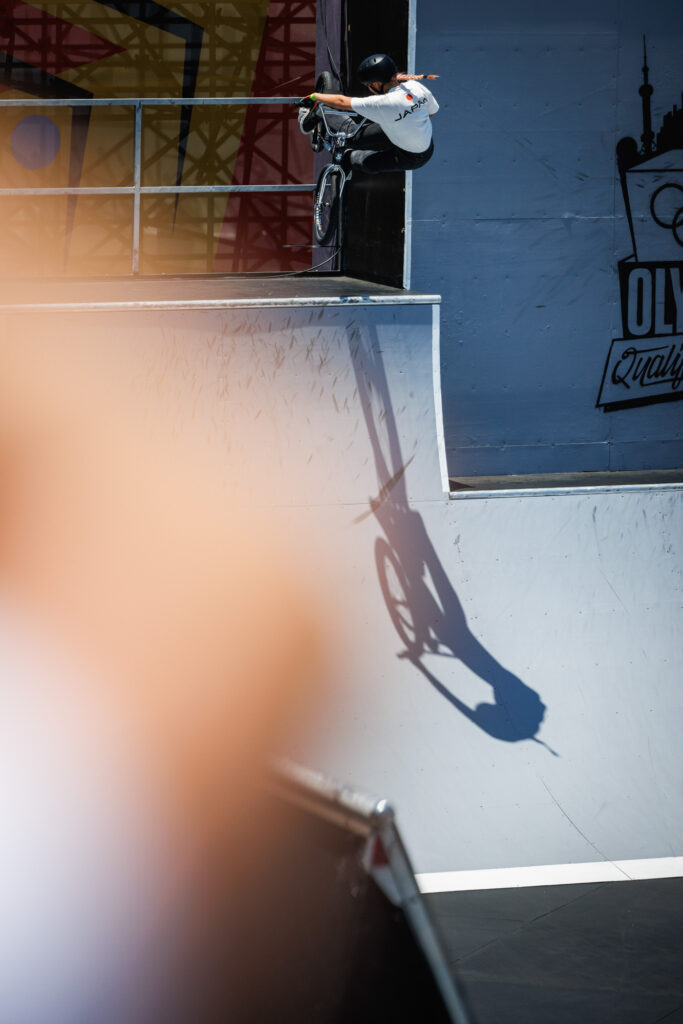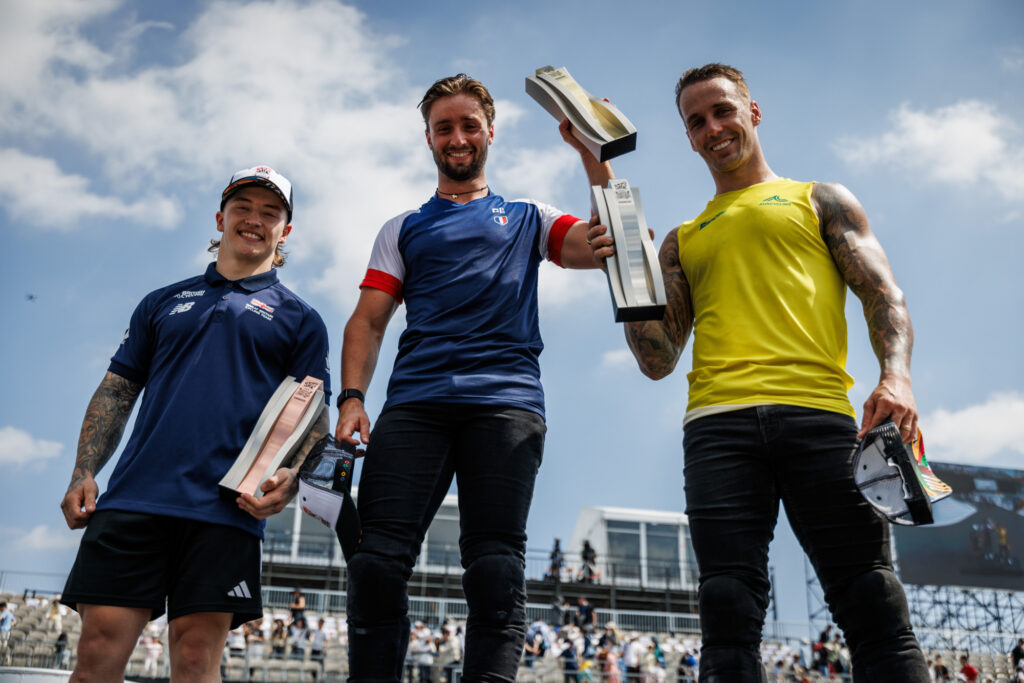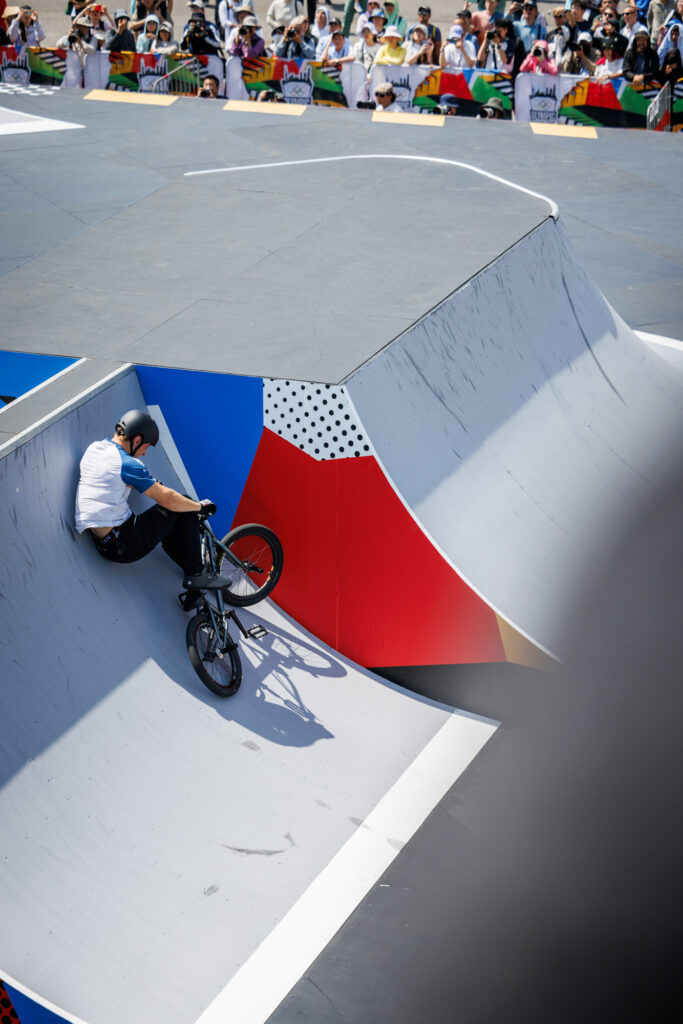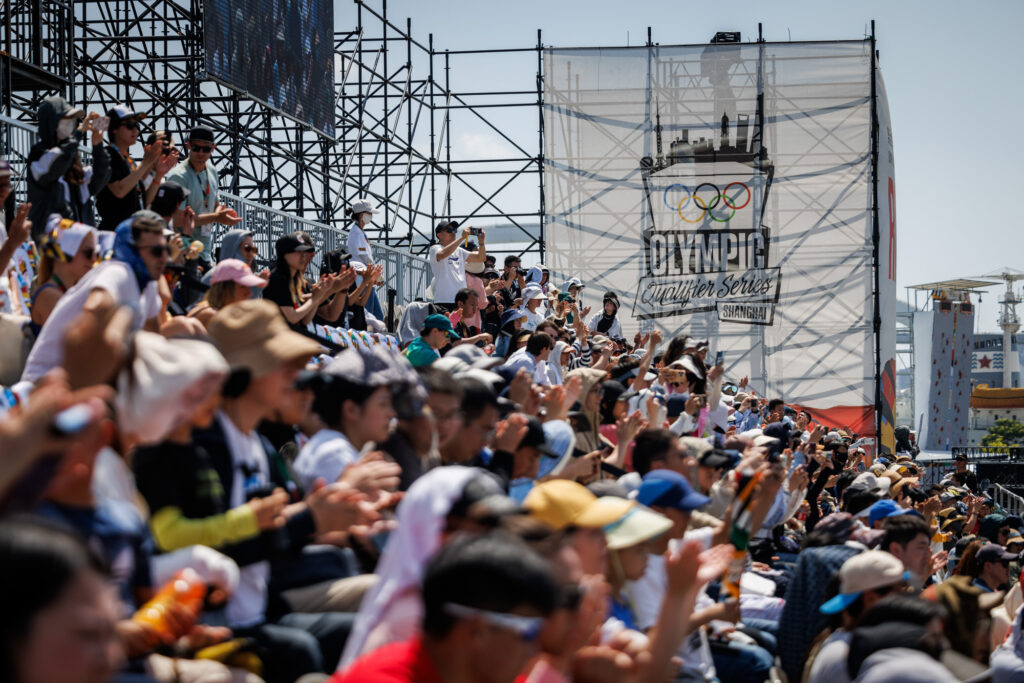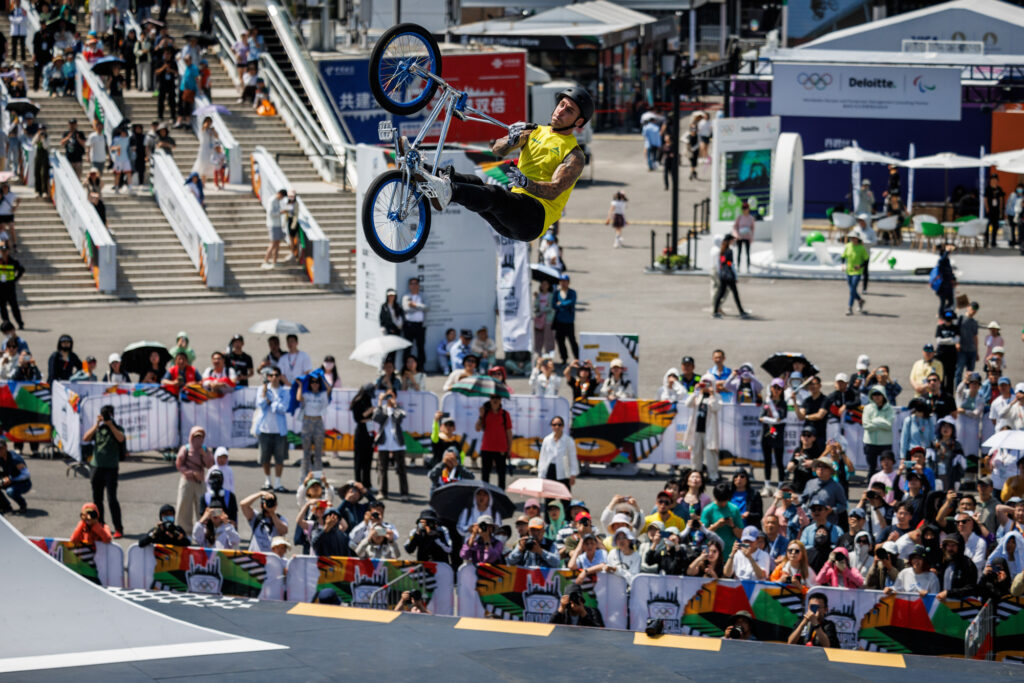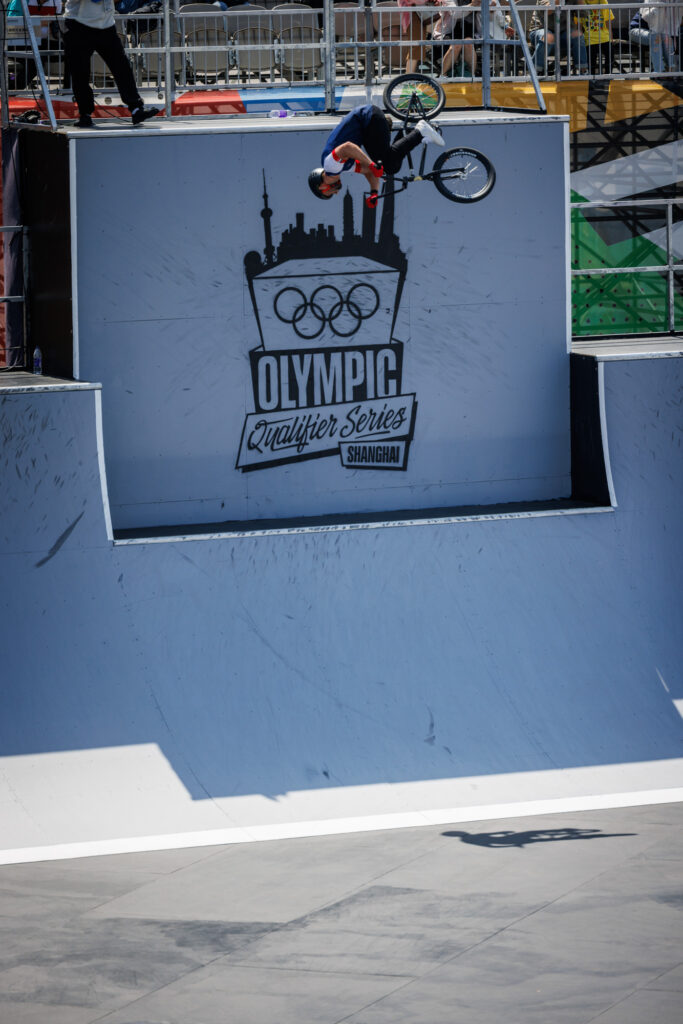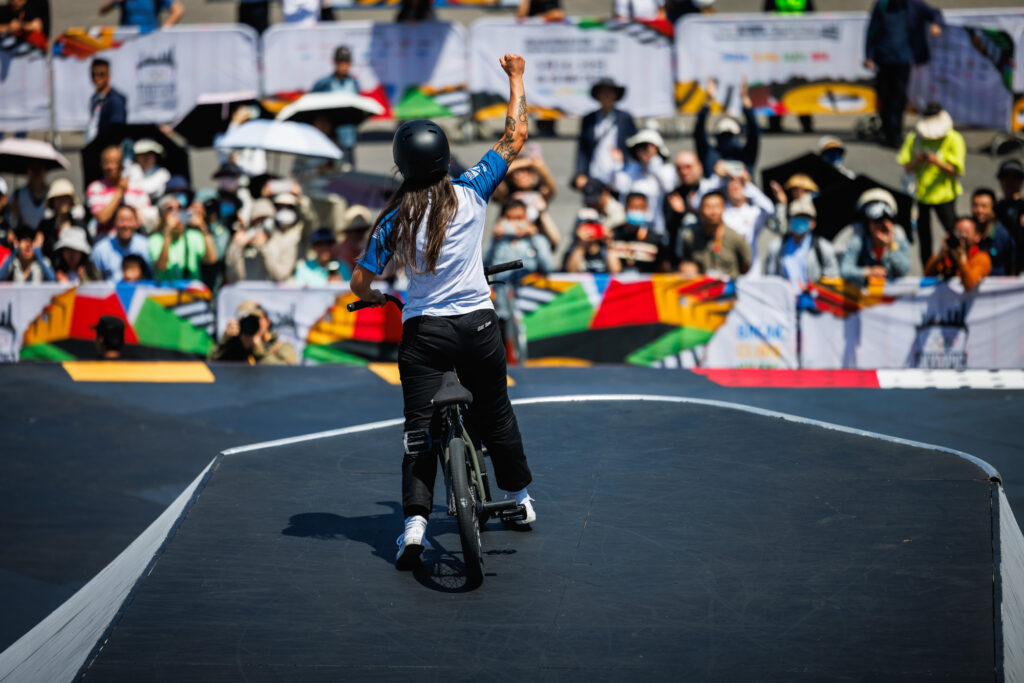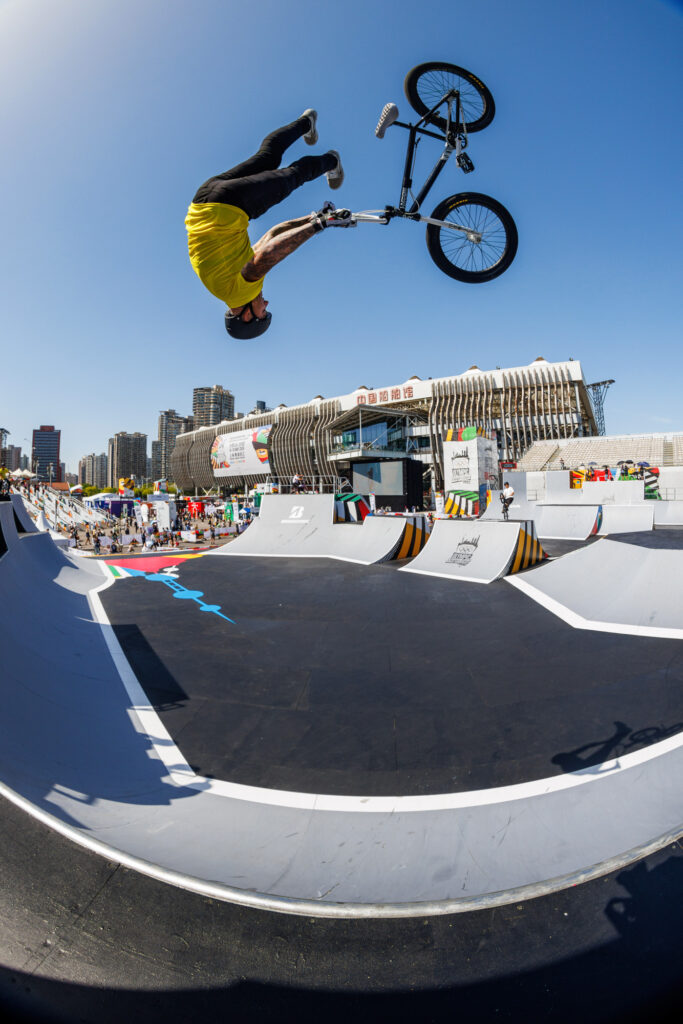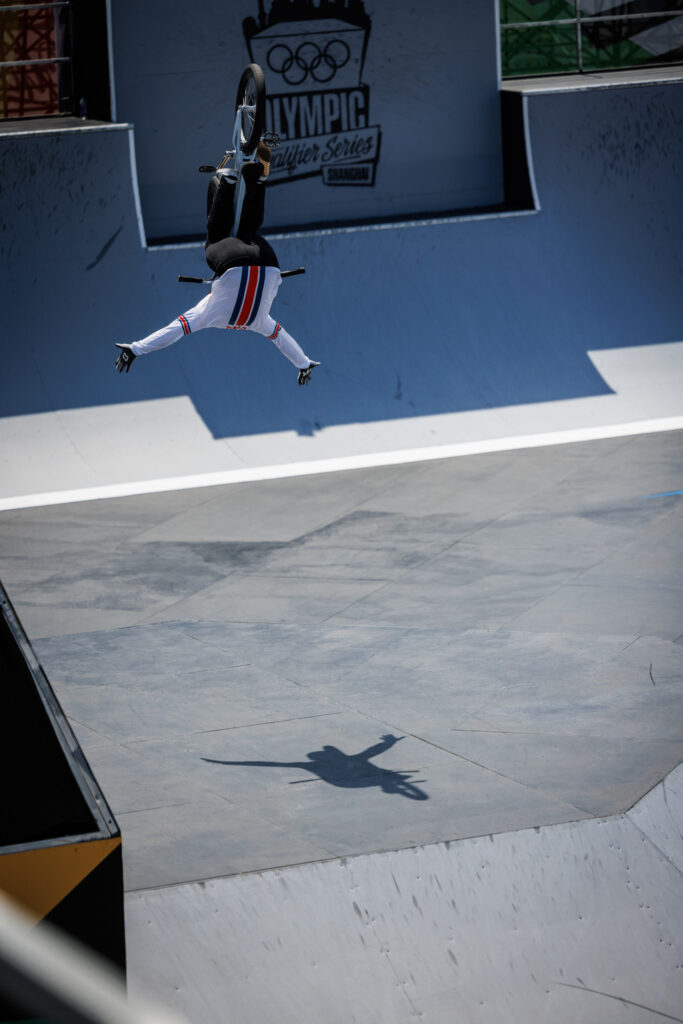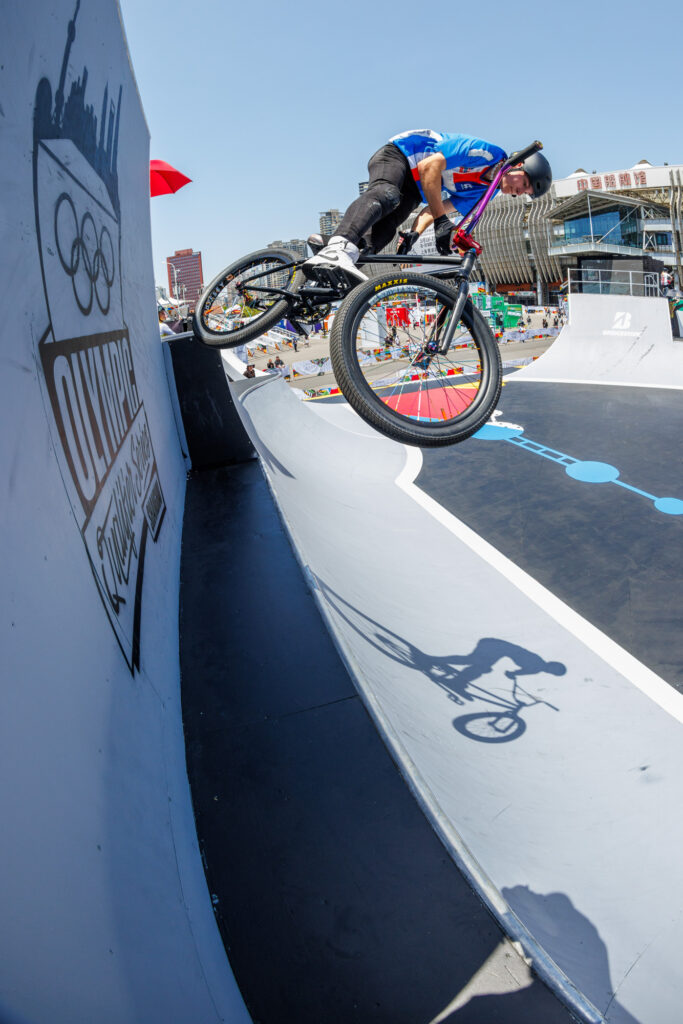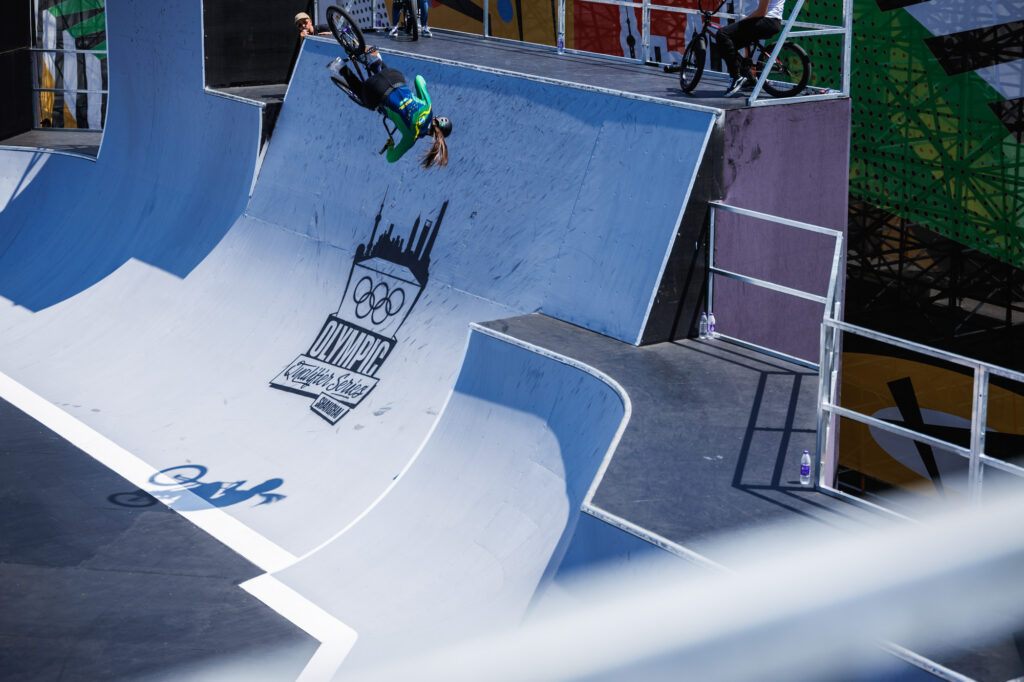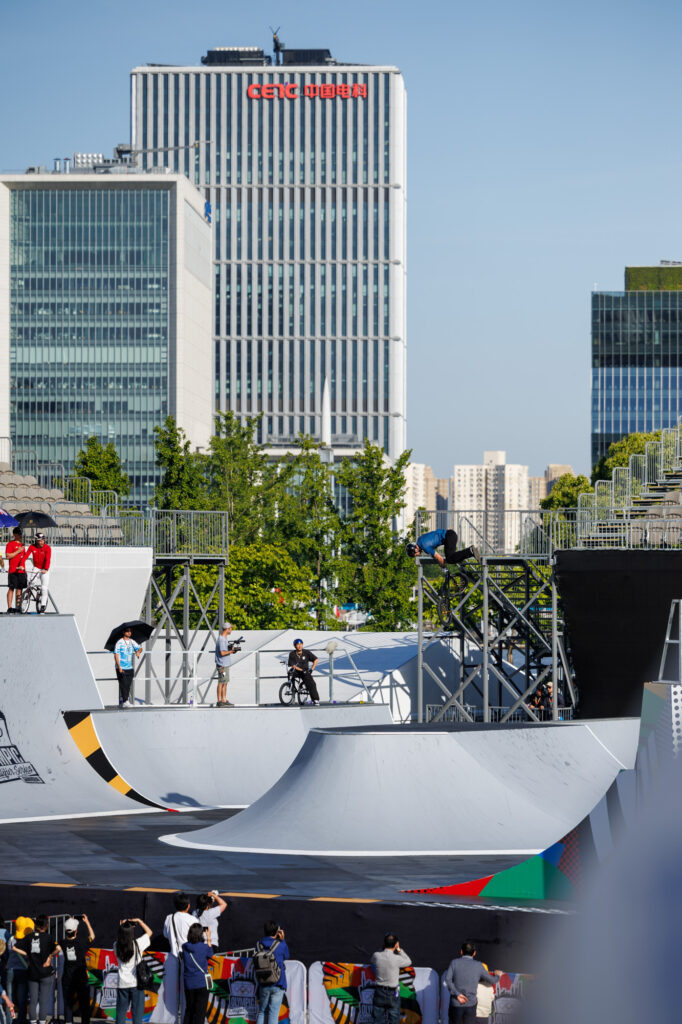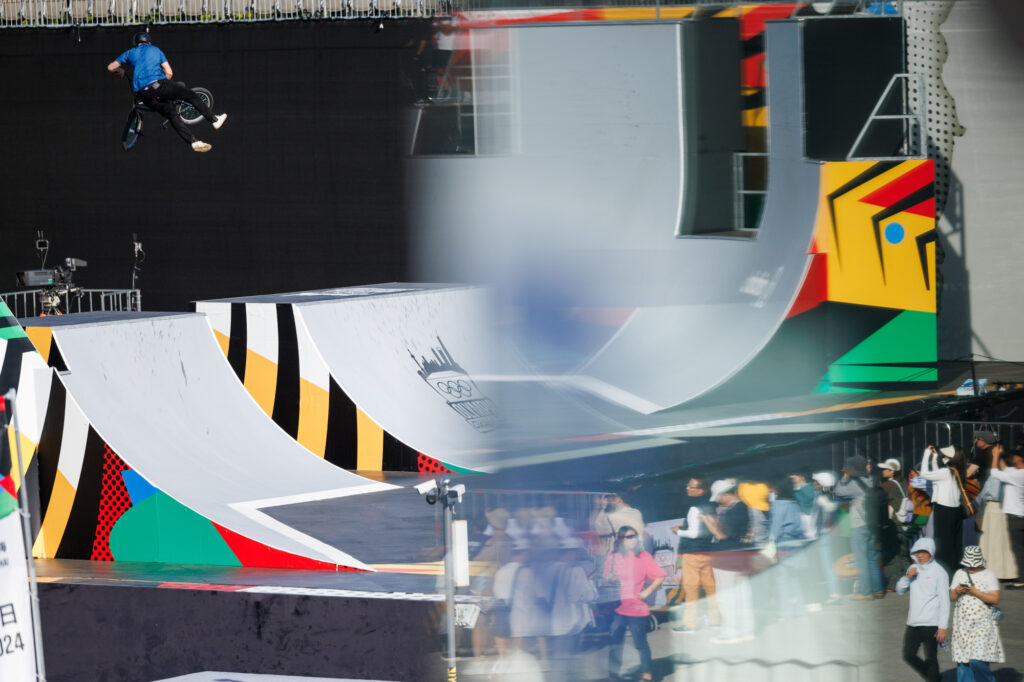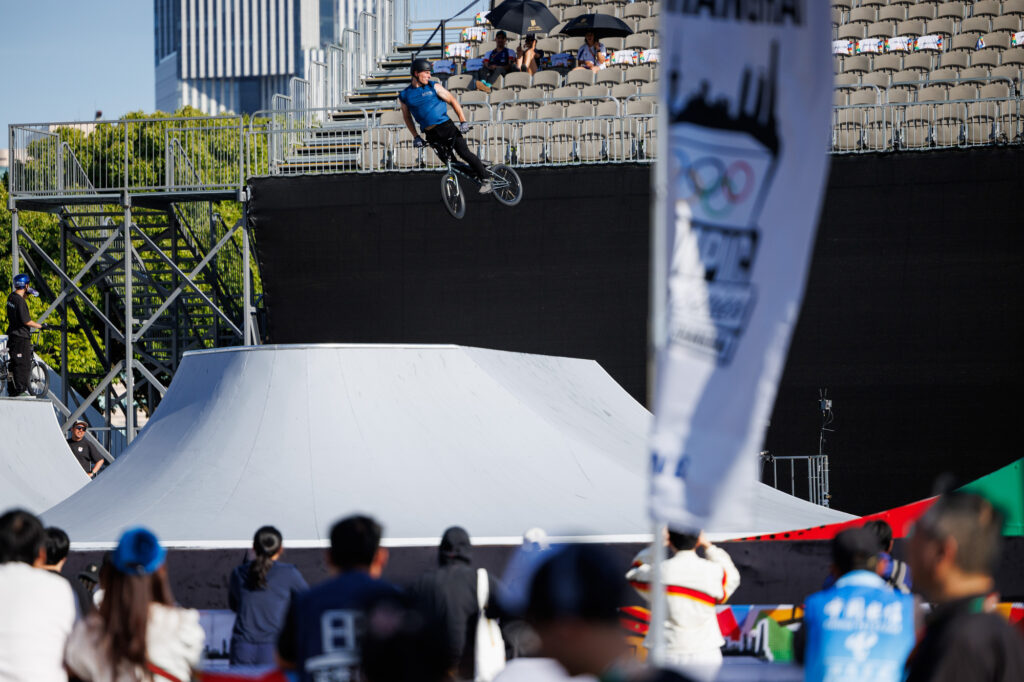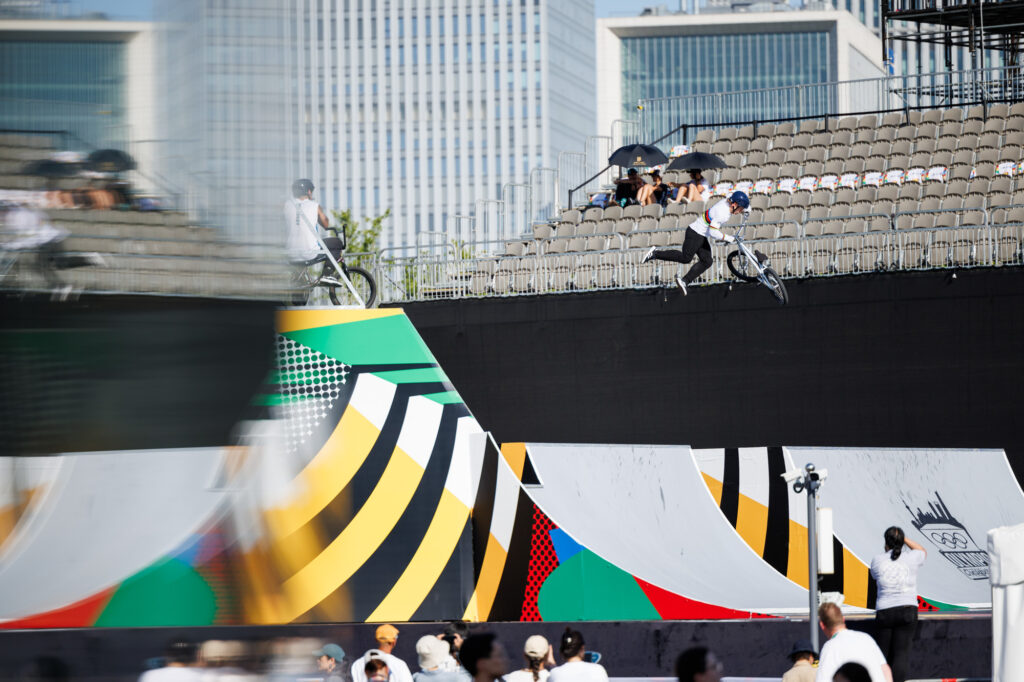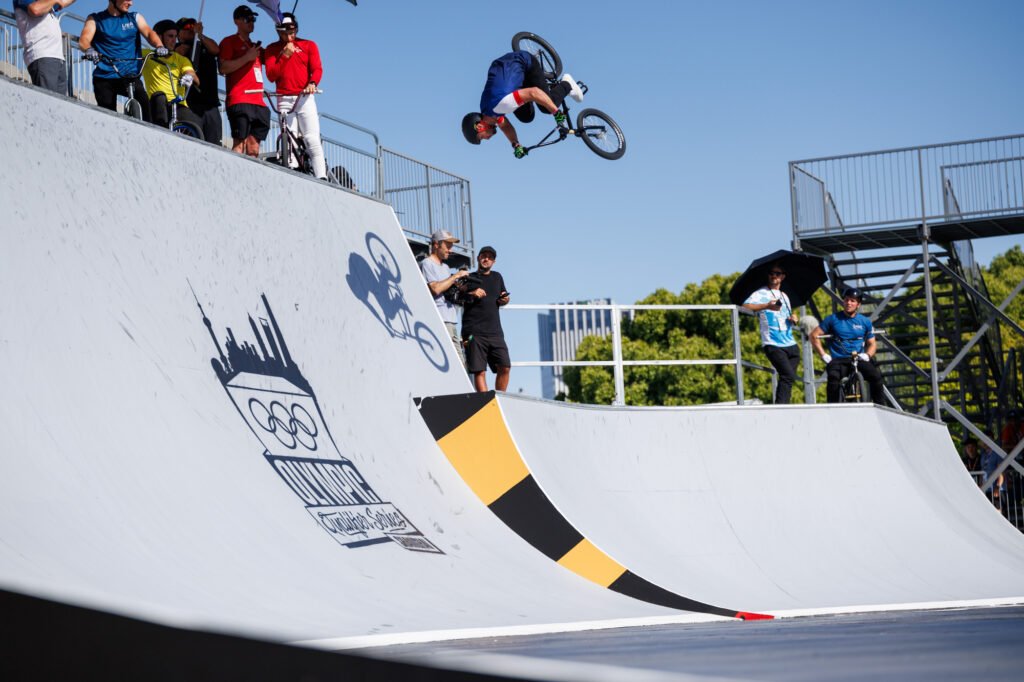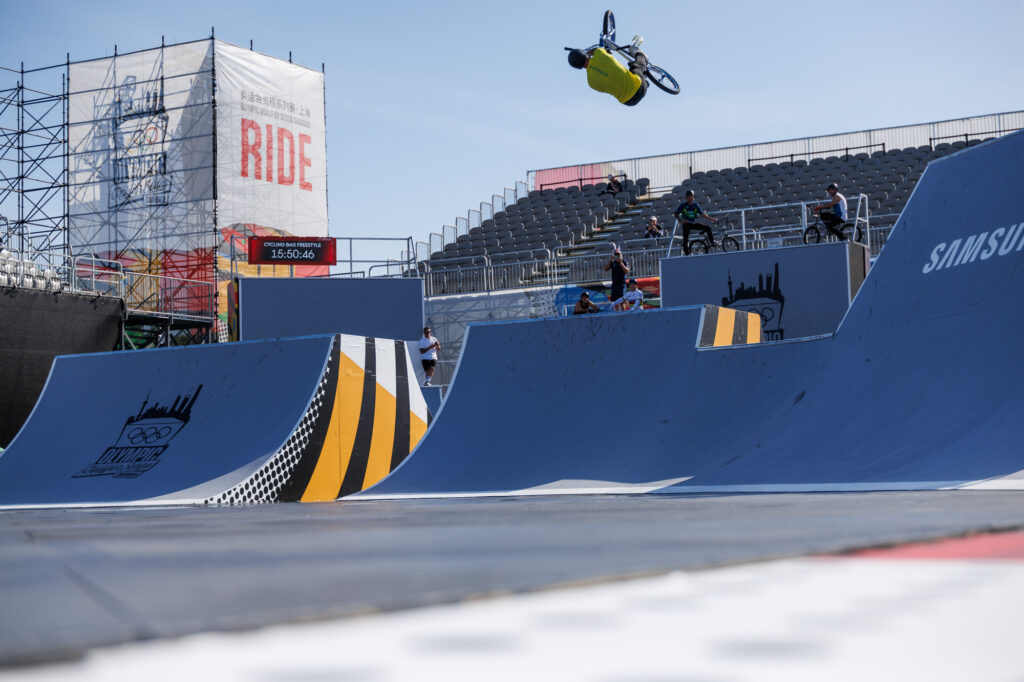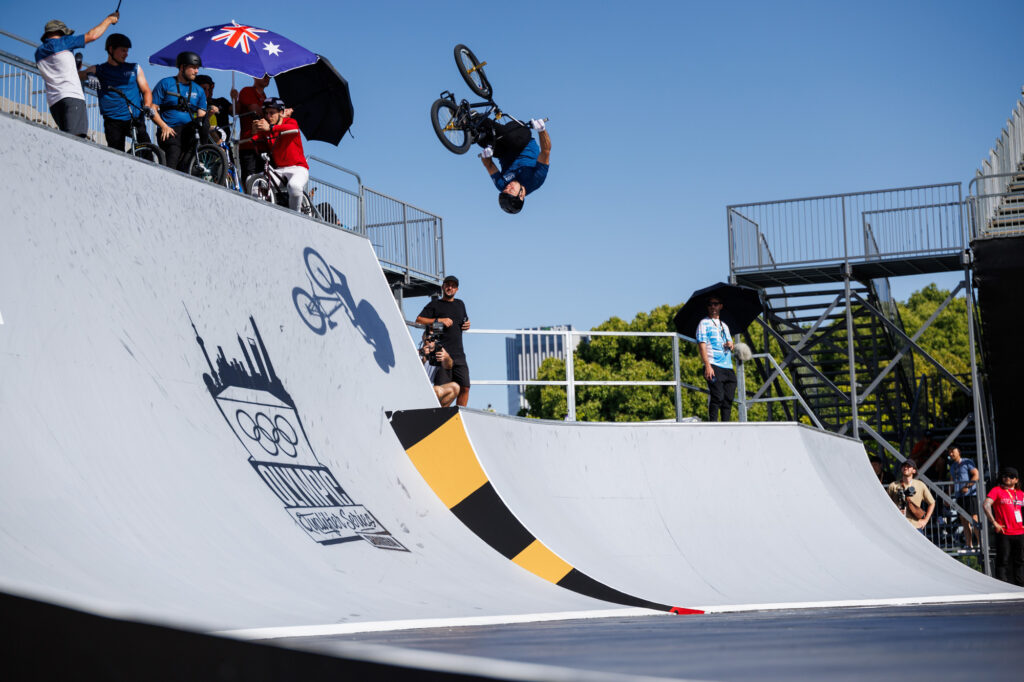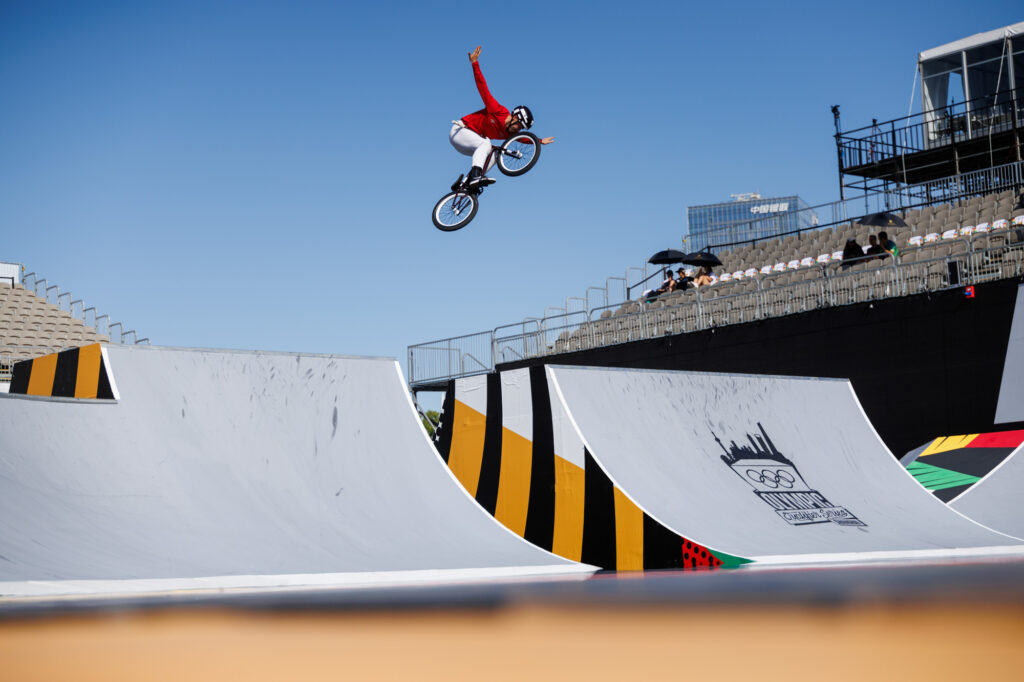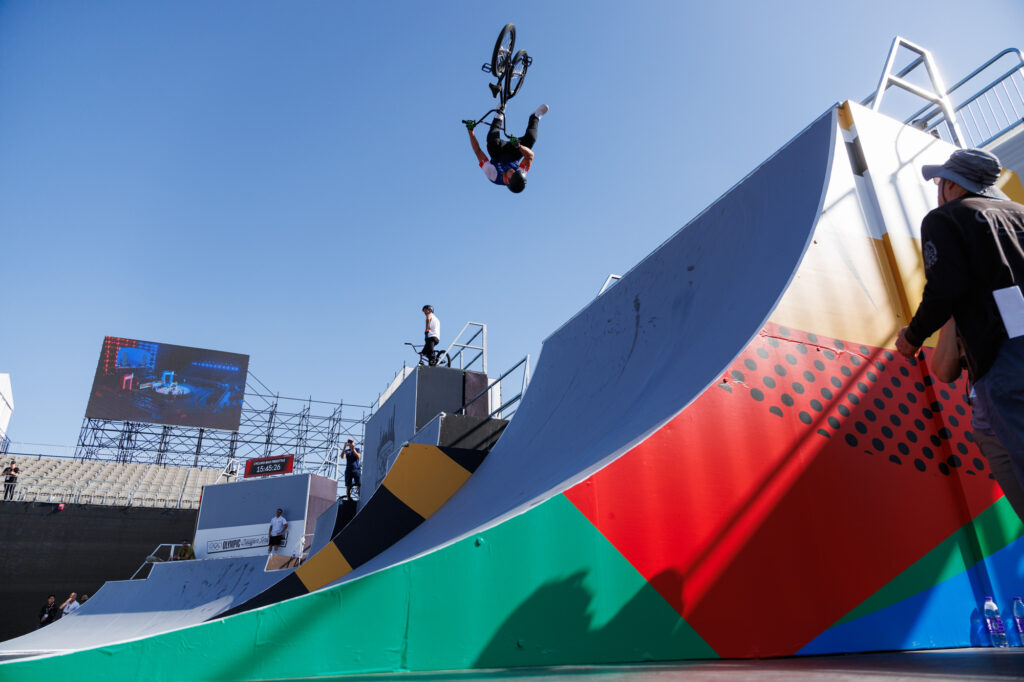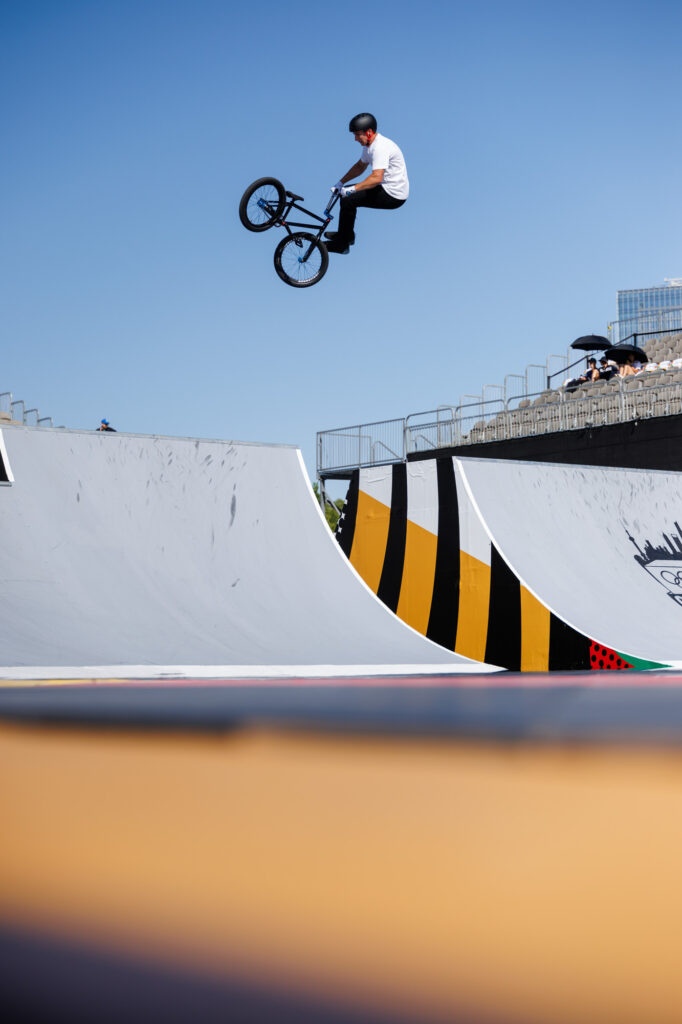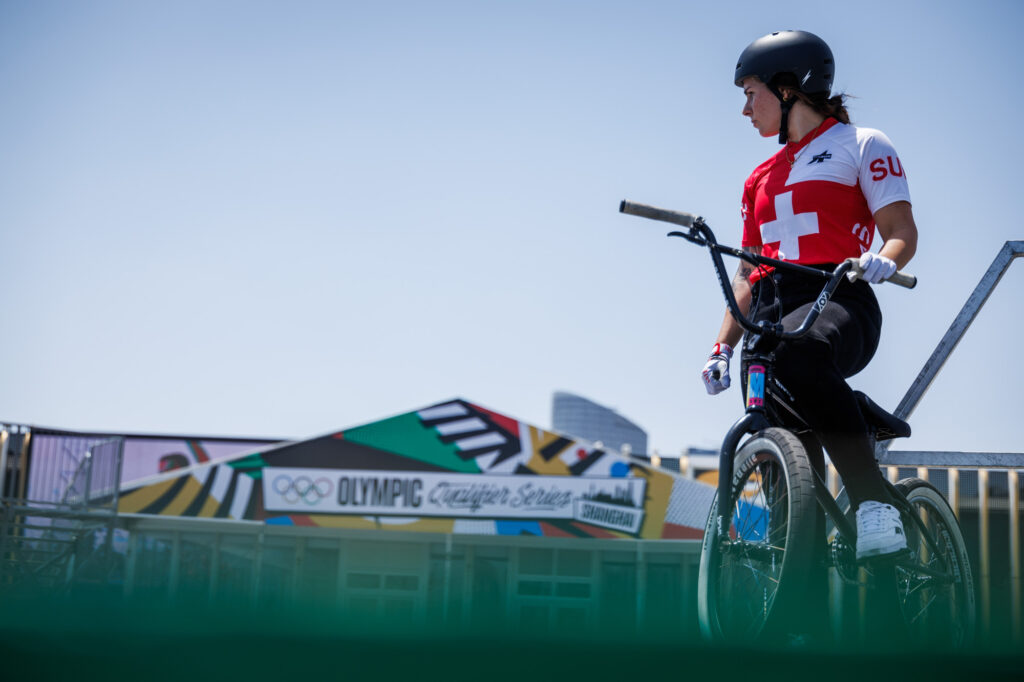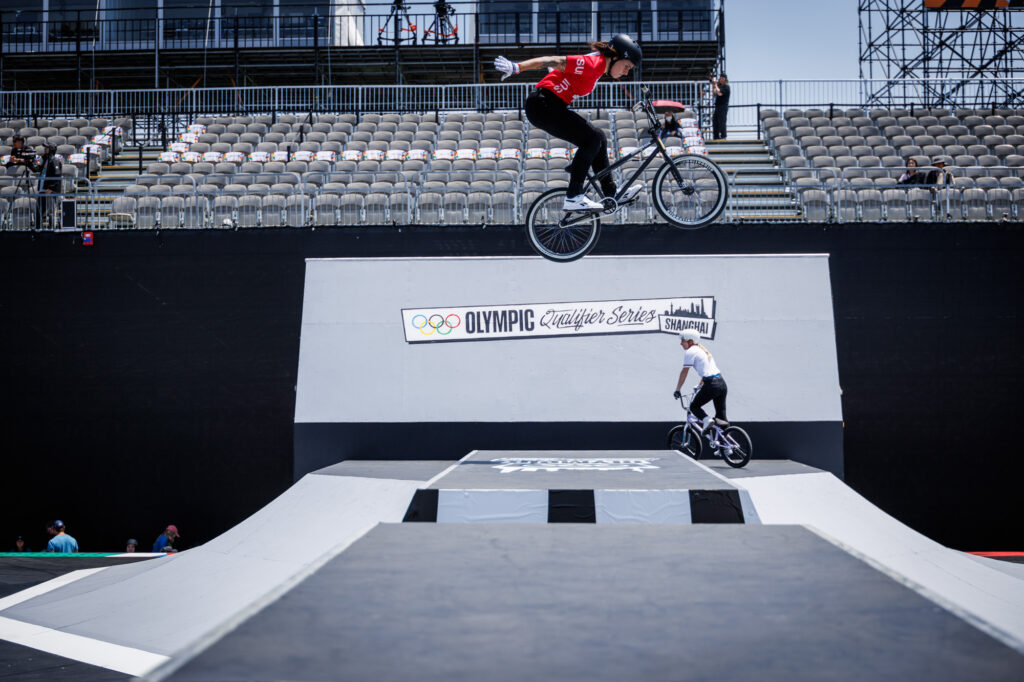


My first Olympic event of any sort. It was new—albeit slightly confusing—experience for me as I dove into this world of points and jerseys and tape over logos for the first time ever in Shanghai, China, for the first stop of the Olympic Qualifier Series. If you’re a regular viewer of the podcast, then you know that we are slightly out of the loop. Well, I have returned an enlightened man. Filled with new knowledge, lots of space on my memory cards (since I was not allowed to film), and a desire to give you a rundown of how the event works and a few observations along the way…
HOW IT WORKS
So what is the Olympic Qualifier Series (OQS going forward)? It is a two-stop (Shanghai and Budapest) event series where six men and six women will earn their spot for the 2024 Olympics. This is a first of its kind in the Olympics, as far as I know. And, it’s a pretty big deal, considering there’s only 12 riders in each discipline in the Olympics. Traditionally, countries earn their spot via previous results (or the host country gets one automatically) and then they chose the rider to represent. So, in theory, a rider can do all the heavy lifting and earn the spot for their country, but still not be chosen to ride in the Olympics for whatever reason (think Daniel Sandoval controversy in 2021). The OQS throws that out of the window and lets a rider put their sword in the stone…
From the media guide: “A maximum of 50 points at each of the events in Shanghai and Budapest, making a maximum possible total of 100 points per athlete. Points from both stops will be compiled into a ranking for each of the sports, that will determine which athletes earn quota places for Paris 2024.”
So that all makes sense, right? Over the course of the event, I kept presenting random scenarios to myself: “Why is Logan Martin even here…isn’t he basically in?” “Isn’t Anthony Jeanjean in because France is hosting?” “Why does the US get three riders in each discipline and others only have one or two?” “What happens if all three Chinese ladies are in the top six?”
I’ll do my best to answer in bullet-point form. If I am wrong about any of this, please blame the process for being so complicated…
- The number of riders each country has in the OQS is determined by their points ranking. So in women’s, Germany, USA, and China get three riders. In men’s, USA, Australia, and GBR all have three riders. There’s also a couple of unique circumstances where a country has enough points/ranked high enough to have two riders, but the second rider is not really on level with the rest of the field. Obviously zero offense to those riders, but it does stand out in a couple of instances.
- What happens if any of those countries have three riders in the top six? Do all three go to the Olympics? Nope. A country can only have two riders at max.
- “Why the hell ya here, Logan?” He told me plainly: If Alec Danelutti and Jaie Toohey make it into the top six, then he (the defending Olympic gold medalist) will be on the sidelines. Even if just one of them make it into the top six, Australia doesn’t automatically get a second spot.
- So what about Jeanjean, since France only has two riders in the OQS? The reality is that nothing is guaranteed. France has the host spot, but if Kevin Fabregue or Anthony Jeanjean get an OQS spot, then France loses it. They maaaay be able to get “country spot” based off of OQS country results and previous world championship events (Abu Dahbi in 2022 and Scotland in 2023), but there’s simply a lot of variables in play, including…
- The continental spot. Particularly Africa, who is represented by Vince Leygonie of South Africa. The Olympics wants to represent all seven continents, so he’s essentially a shoe-in at this point. For South America, the best contenders in OQS are Jose Maligno, Daniel Dhers, and Gustavo Balaloka. If one of them do not get an OQS spot, then South America would get a “continental spot” which would remove one of the world champion spots…crazy, eh?
- The countries that have a chance at a second spot via previous world championship events are: Japan, America, Great Britain, Australia, and France.
- So yeah, it’s complicated. And it won’t be uncomplicated until after the next stop of the OQS in Budapest when it all gets laid out. The bottom line here is that none of the riders want to leave it up to chance and they are all fighting as hard as they can to earn one of the coveted six spots to the Olympics.
NPCs
While every person is factually real-life versions of themselves, they still don’t quite look right. Seeing Dhers without a Red Bull helmet just looks…abnormal. Same goes for the rest of the guys who are usually plastered with logos to some level. At Olympic events, they are not allowed to represent non-endemic sponsors. In English, that means nothing other than specific bike brands/component makers. No apparel, no drinks, no cell phone sponos. No helmets, no gloves, no shoe sponsos. Nada. Everyone kind of ends up looking like some sort of non-playable-character version of themselves and it takes some getting used to…
FOLLOW THE RULES
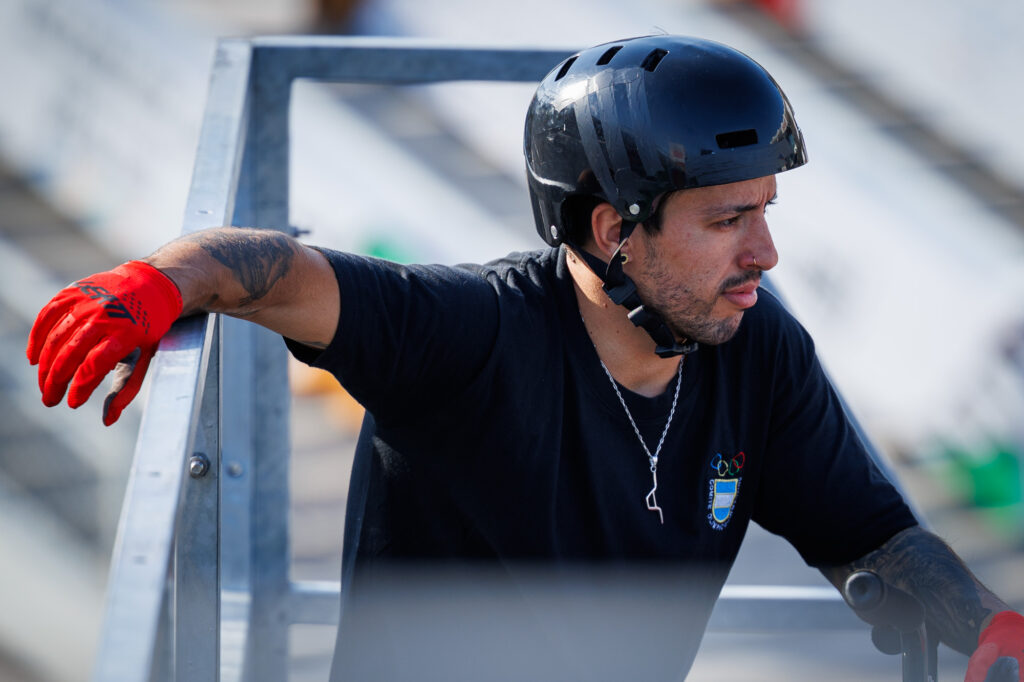
Going into China, I was certainly aware that I would not be able to film the actual event. I was optimistic that practice would be open game, so I showed up on day one and immediately jumped into my normal routine. Unfortunately, half way through women’s practice I got confirmation that there was broadcast deals in place that include showing any video of the course, including stuff filmed before the event. Photos only. Honestly, a bit of a welcomed change as I genuinely enjoy shooting photos…. The only issue was I was not allowed on course at all. I happily agreed to this and only shot from the designated areas. I know several photos may appear that I was on the course, but I can assure you that I most definitely was not and that I followed all rules at all times…
DEM COACHES, THO
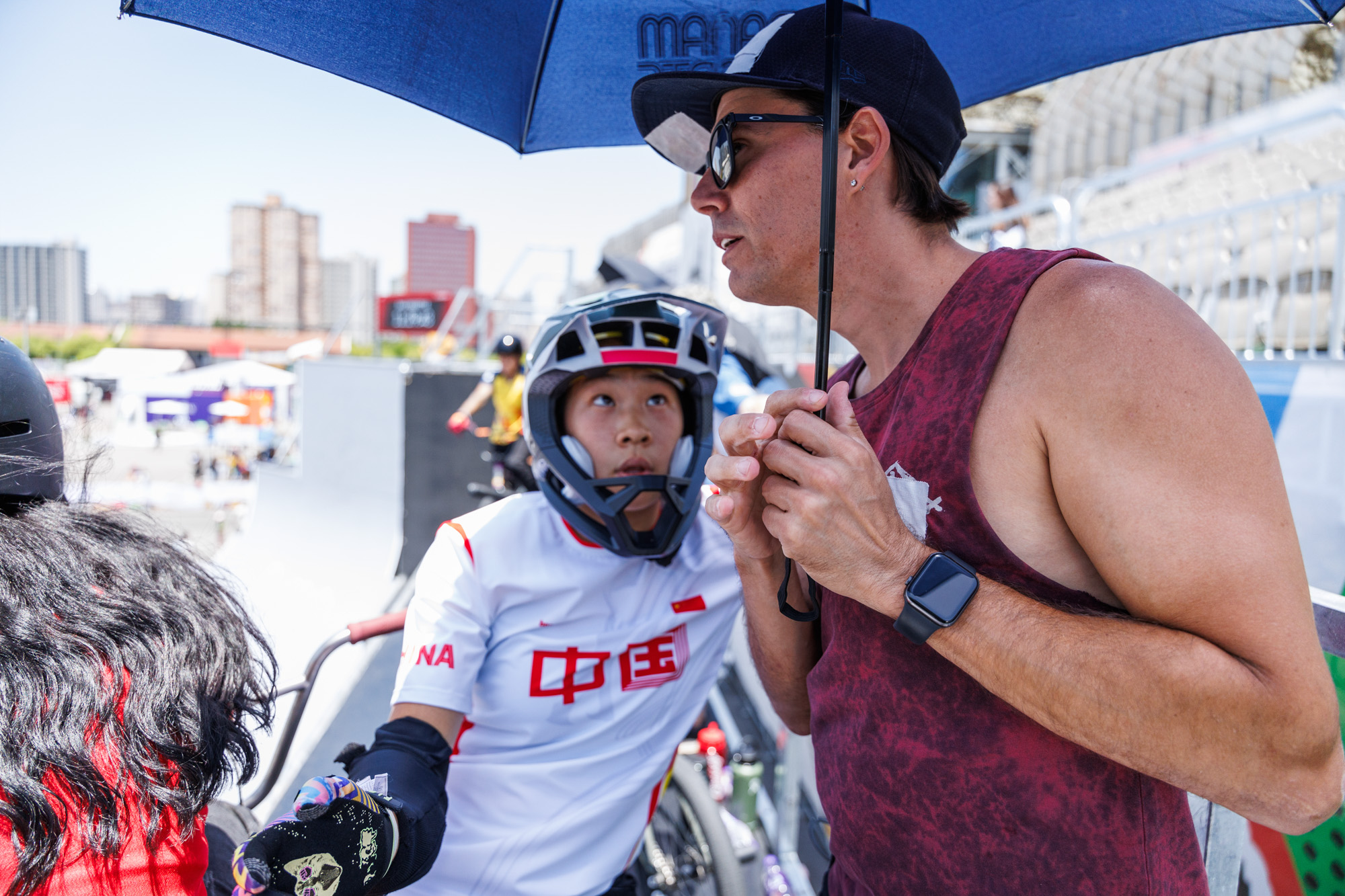
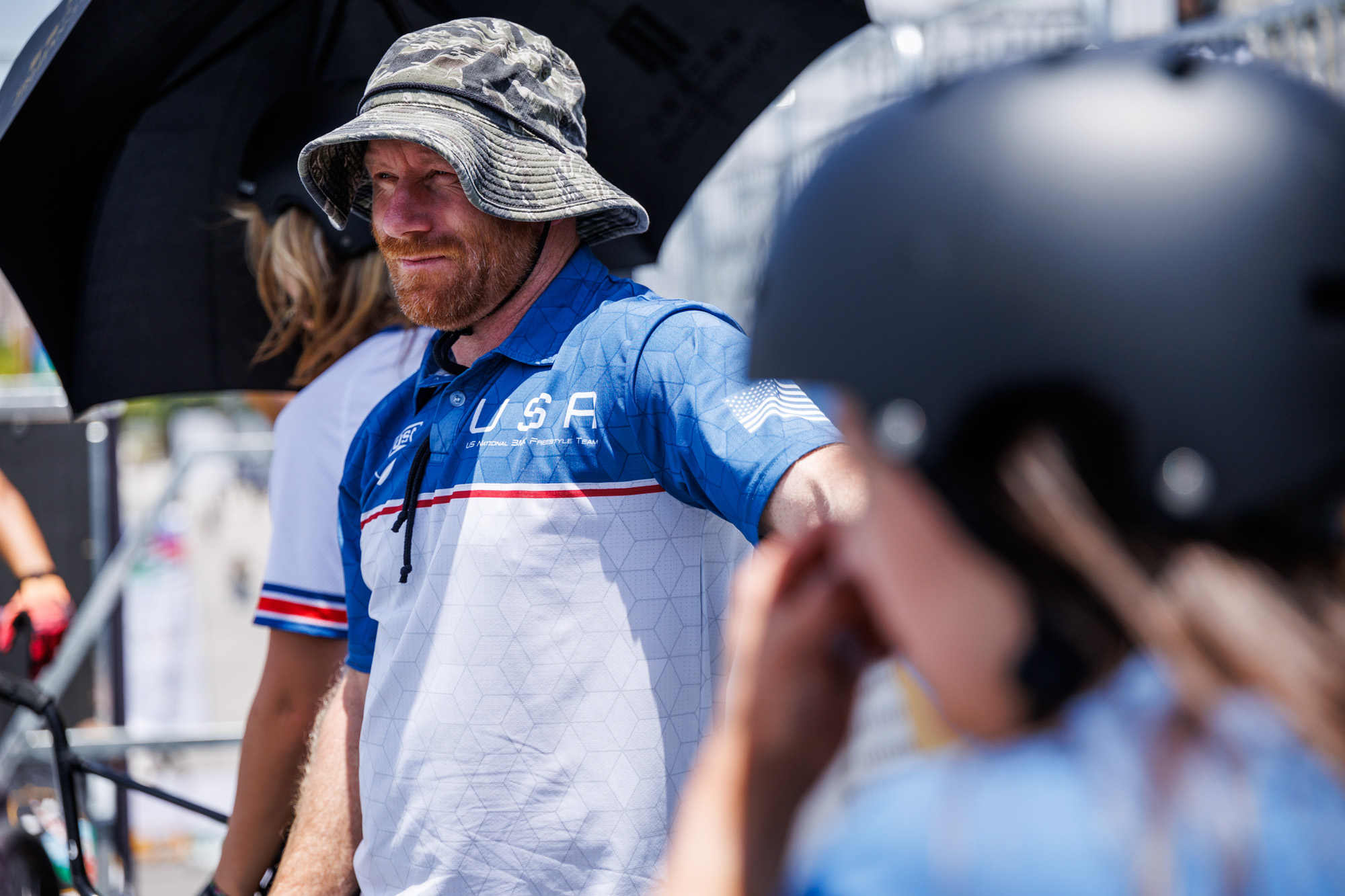
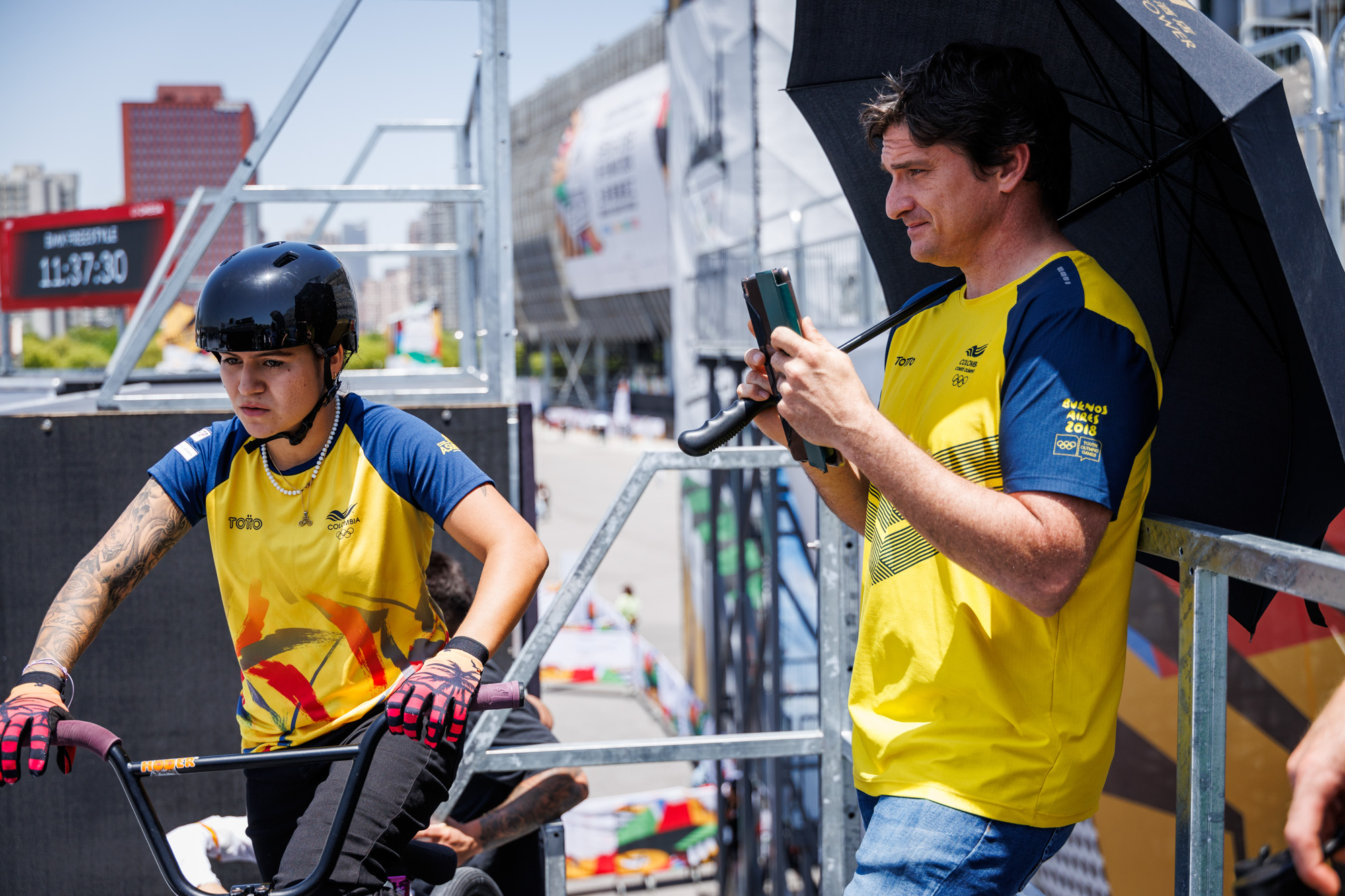
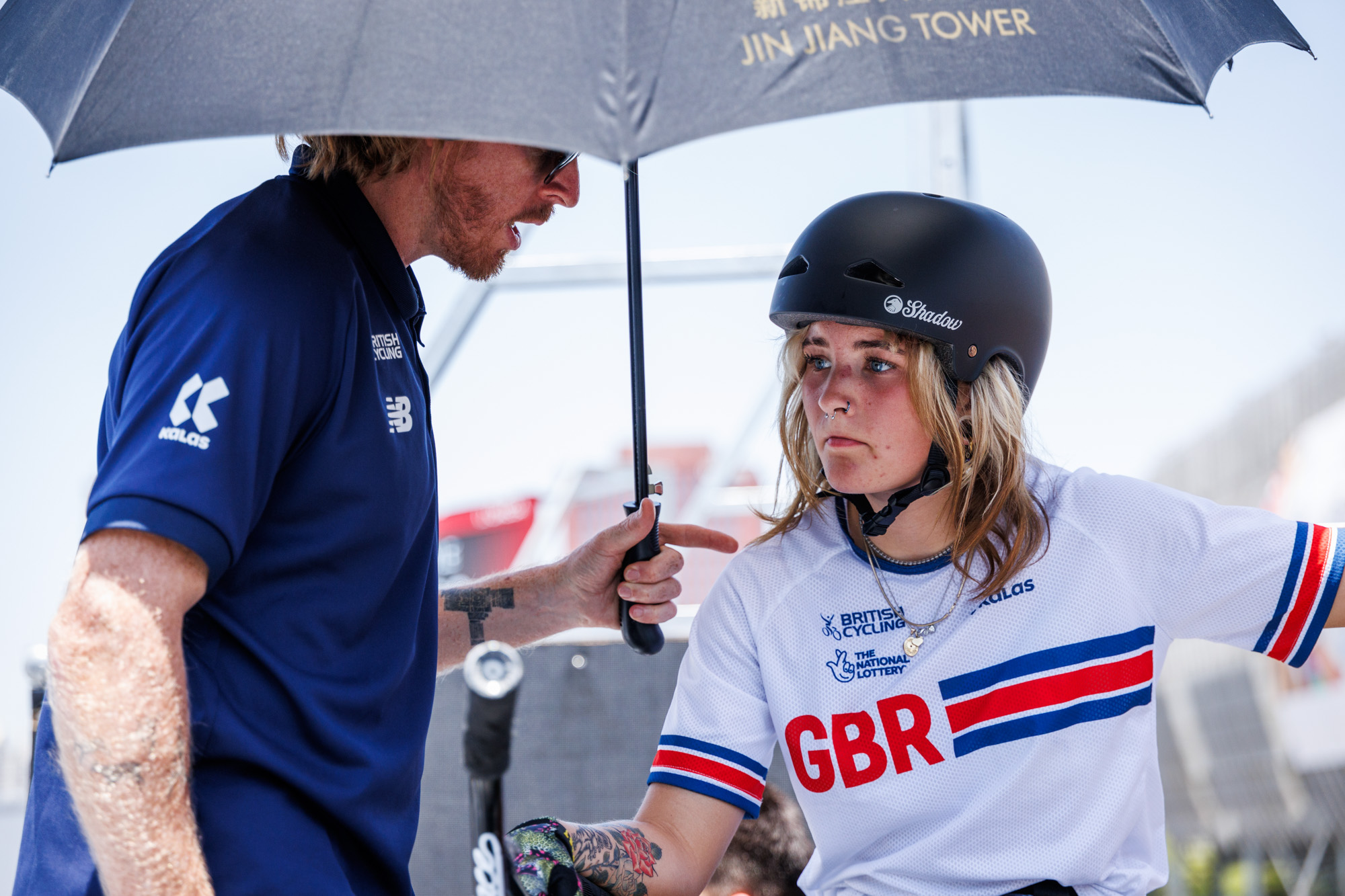
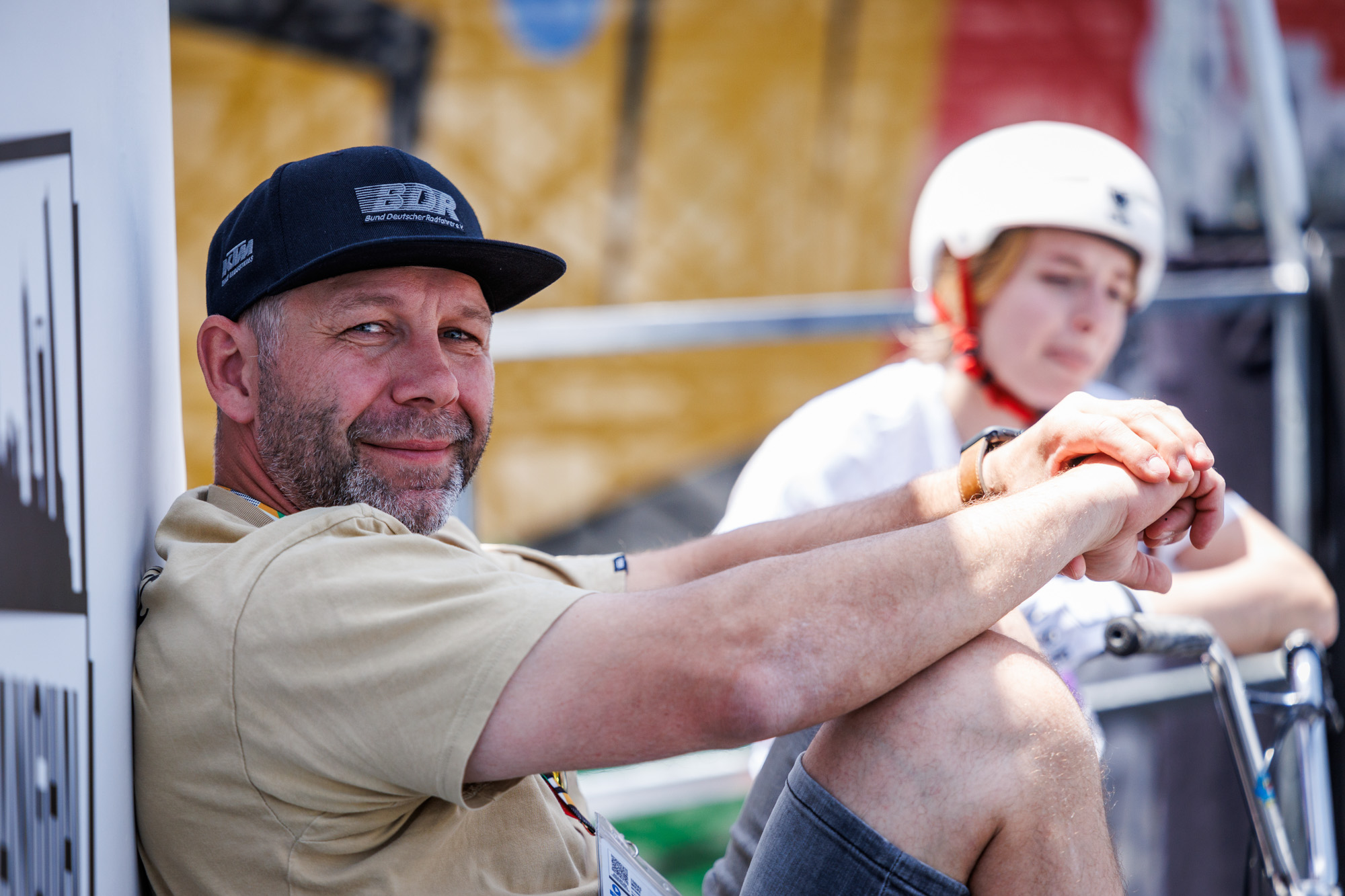
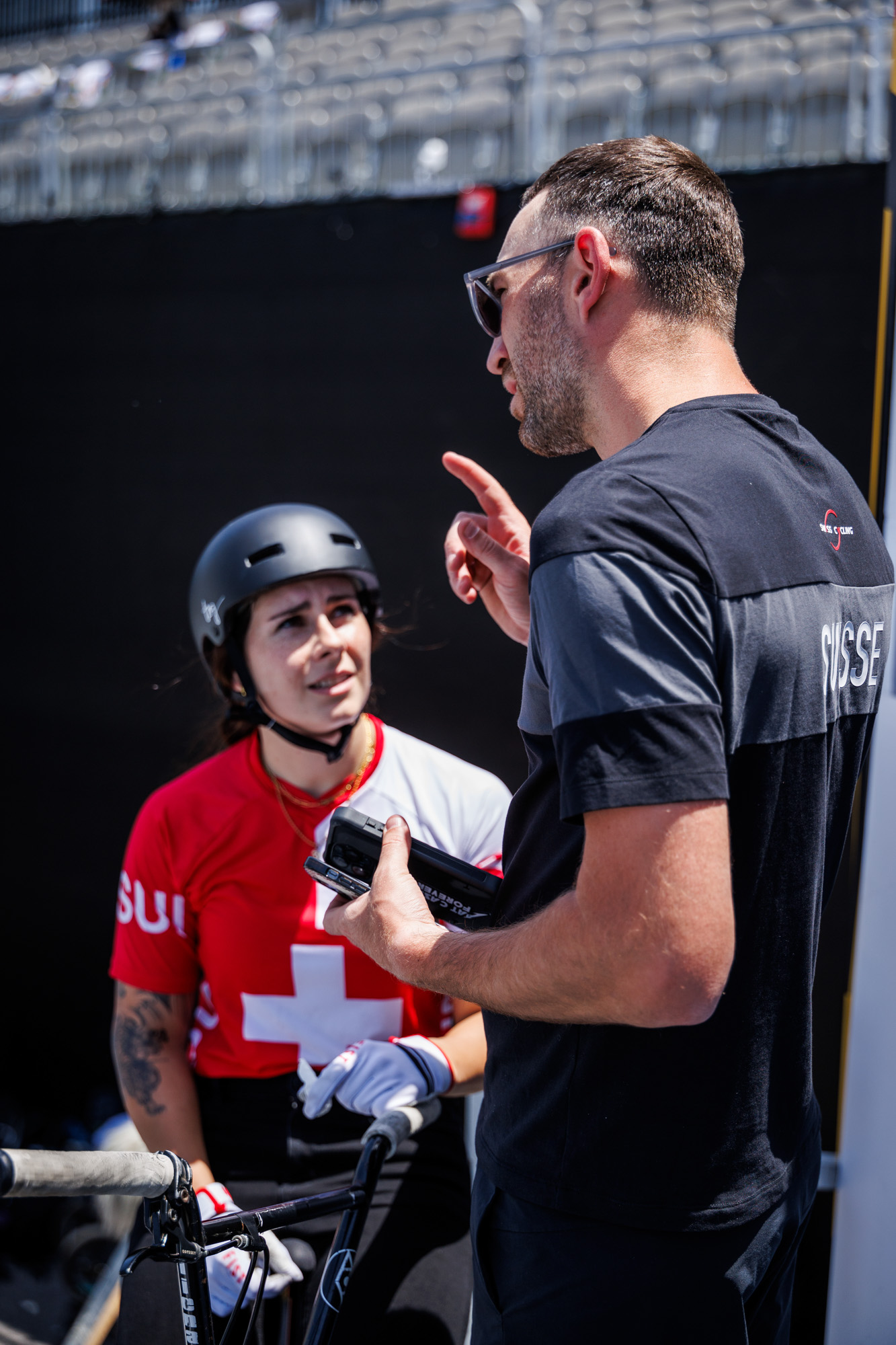
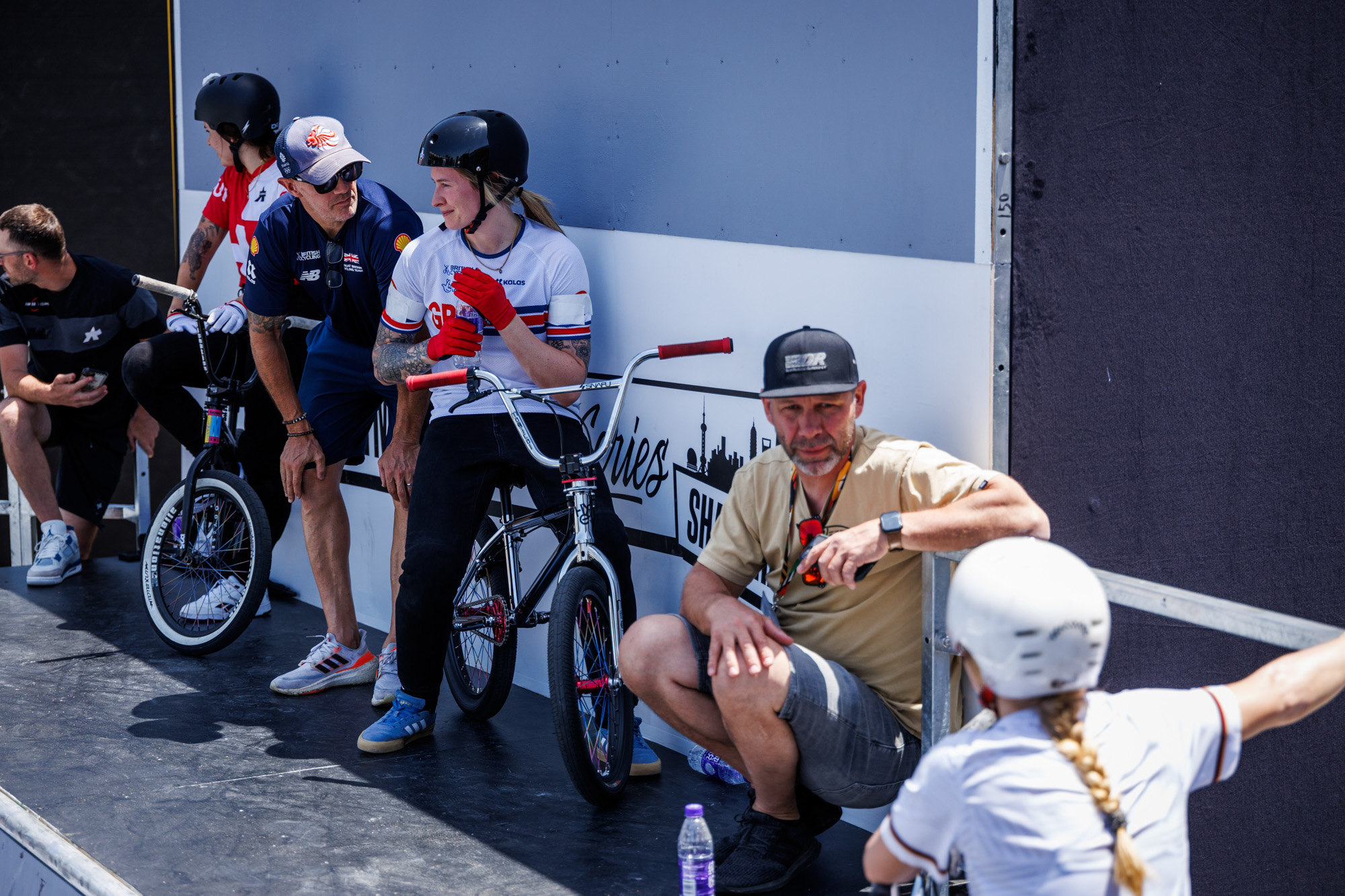
We all know that Ryan Nyquist and Jamie Bestwick are the head coaches of Team USA and Great Britain, respectively. But, there’s a slew of ex professional riders on ‘umbrella duty’ at the games. Some names you may recognize: Alejandro Caro, Greg Illingworth, Rob Darden, Daniel Dhers, Tobias Wicke, Daniel Wedemejier. Even Kenneth Tencio’s coach, Lou Uba, is a previous generation pro rider from Costa Rica. What’s the point? It’s awesome to see these riders still on the contest scene, involved, and able to share their knowledge with the next generation. And hold umbrellas while they do it.
CHINESE DOMINANCE
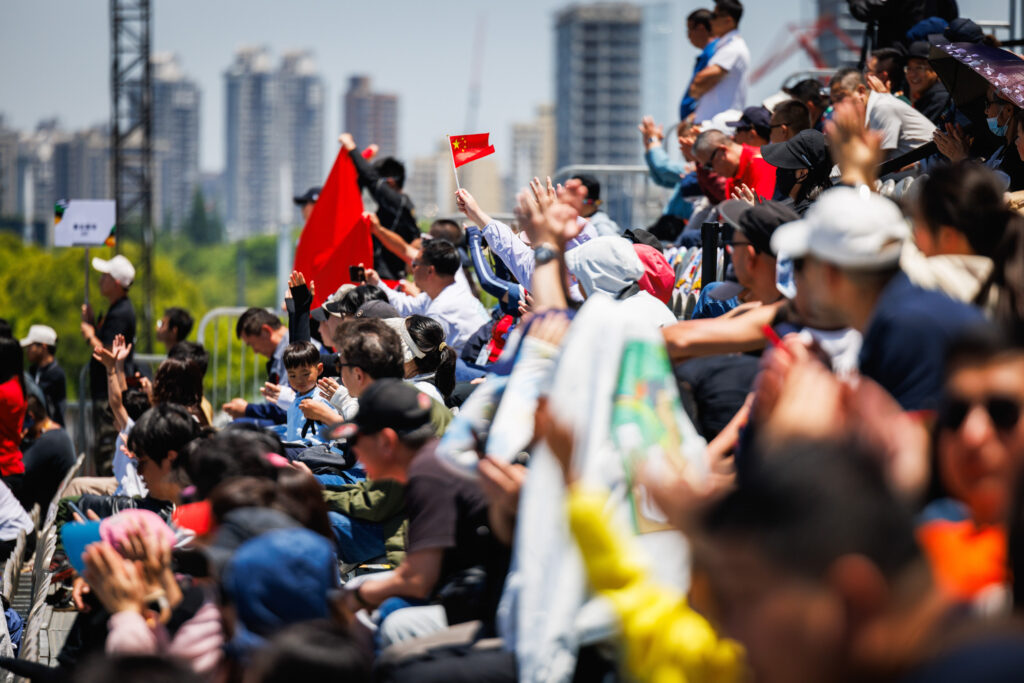
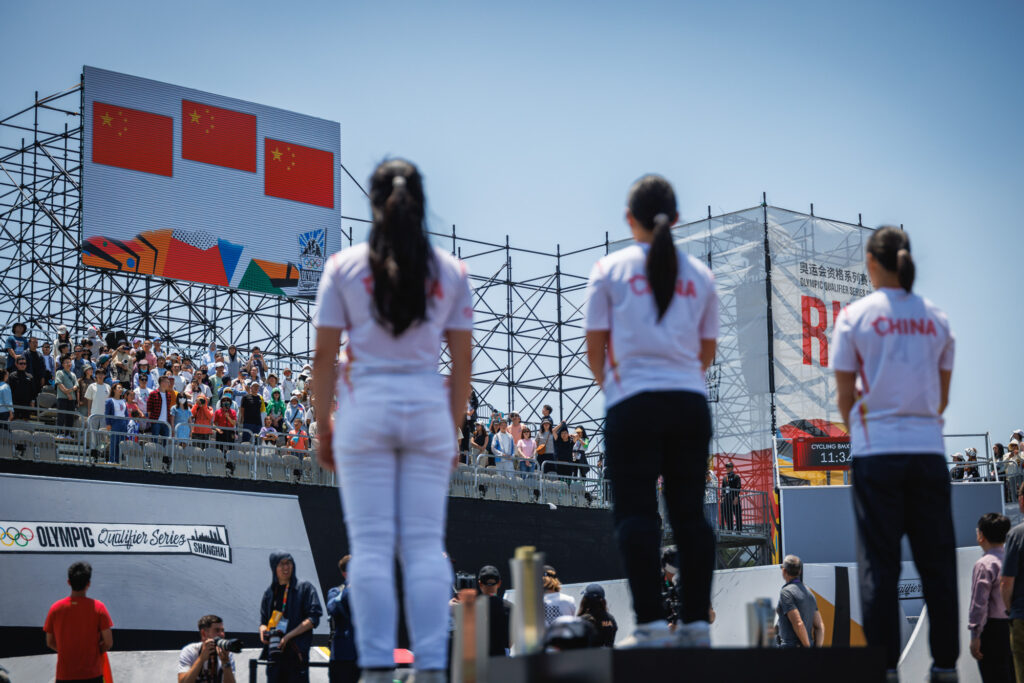
The three Chinese ladies, Jiagi Sun, Ya Wen Deng, and Sibei Sun, dominated prelims and took the top three spots. They all have a trick-heavy approach, surely influenced by the coach (and rider in the finals) of the Chinese team, Daniel Dhers. Jiaqi has 360 whips locked in and was even doing them to x-up in practice. Sibei can do bars (and variations of them) pretty much everywhere on course. Ya Wen is somewhere between them both; bar and whips both on lock. I was fairly certain that the top three spots would shake up in the finals, but I was completely wrong and it was an all red podium. As you can imagine, the Shanghai crowd was ecstatic…
THE LAST TEN SECONDS
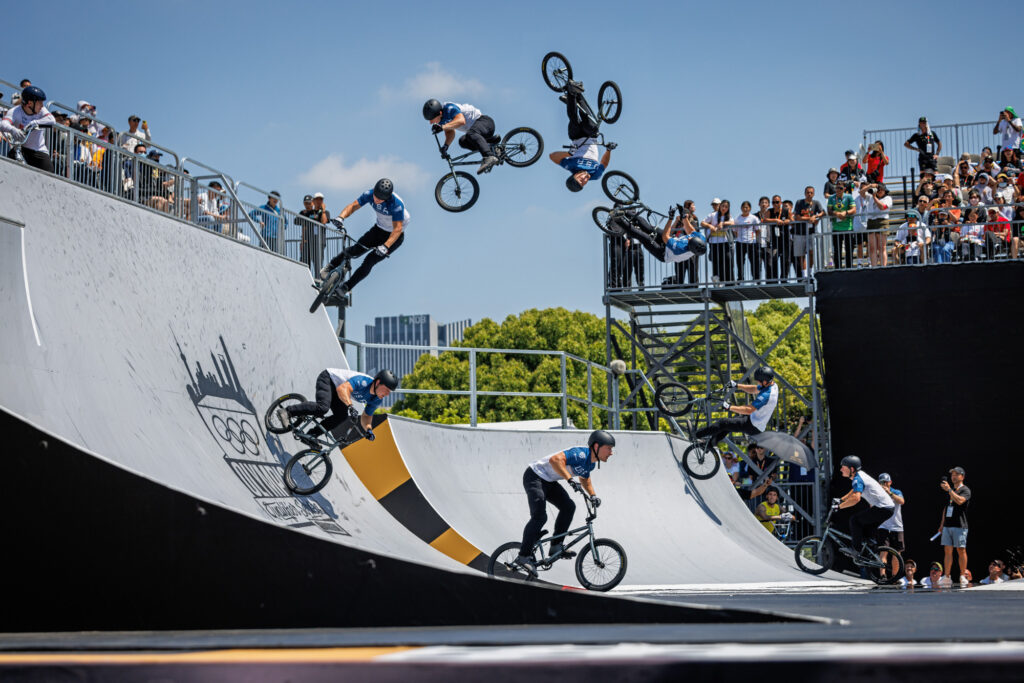
I will not attempt to describe Marcus Christopher’s run, but he was absolutely crushing it in Shanghai. All the power you come to expect from Marcus… He was top qualifier leading into finals and near the top of the betting pool (which definitely existed). Marcus fell half way through his first run on what looked like a flair double downside tailwhip…although it could have been “just” a flair down whip that got super loose. Honestly hard to tell. Either way, Marcus came out for his second and final run and was quite literally on his way to win the whole damn thing (I confirmed this thought with a judge, so that’s not an exaggeration) when he clipped his pedal on the flat and slammed into the spine shoulder-first with just ten seconds left. The sound it made was insane and I’m fairly certain I would have exploded into a thousand pieces from a crash like that, but Marcus appeared to be okay. The only real injury Marcus sustained has to be the missed points—the thing all these dudes and ladies are fighting for—that could reverberate into a pivotal moment. Because, he’s not only battling for one of the top six spots, but against his fellow USA riders, Justin Dowell and Nick Bruce, who placed 6th and 7th, respectively…
RUMOR MONGERING
Soooo, after the event I heard a little something. Caveat: I do not know what is true and I am not stating anything as fact. A photo of the course was sent, without malice, simply to share what it looked like. The issue with the photo? Purportedly, the main box had some foam with resi laid overtop of the landing, meaning that the course was being ridden and seemingly practiced on. Being that the event was in China, it’s pretty easy to make the assumption (reminder: a certainty without proof) that it could have been the Chinese team having a bit of a session on the course before the allowed practice time. If that were true, it would be rather unfair to the rest of the field. The results of the event aside, it’s obviously super important that no team is given an unfair strategic advantage over another. Again, I do not know if it is true and I have not even seen the photo of the course.
ONE MORE TIME
If that last paragraph doesn’t get me in trouble, then I’ll be heading out to Budapest, Hungary, on June 20th-23rd for the final stop of the OQS. All six spots will be awarded and the road to the Paris Olympics will be solidified.